
Crispy Vegan Pizza Recipe for Plant Based Dinner Night
Golden edges, melty dairy-free cheese, and a crisp crust make this vegan pizza recipe the kind of dinner you’ll come back to again and again. You get bold flavor, fresh vegetables, and satisfying texture in every slice, making it perfect for casual weeknight meals, game nights, or cozy plant based dinner gatherings.
Timing
- Prep Time: 20 minutes
- Resting Time: 45 minutes
- Cook Time: 15 minutes
- Total Time: 1 hour 20 minutes
- Servings: 4 slices large enough for 4 people
Ingredients for Vegan Pizza Recipe
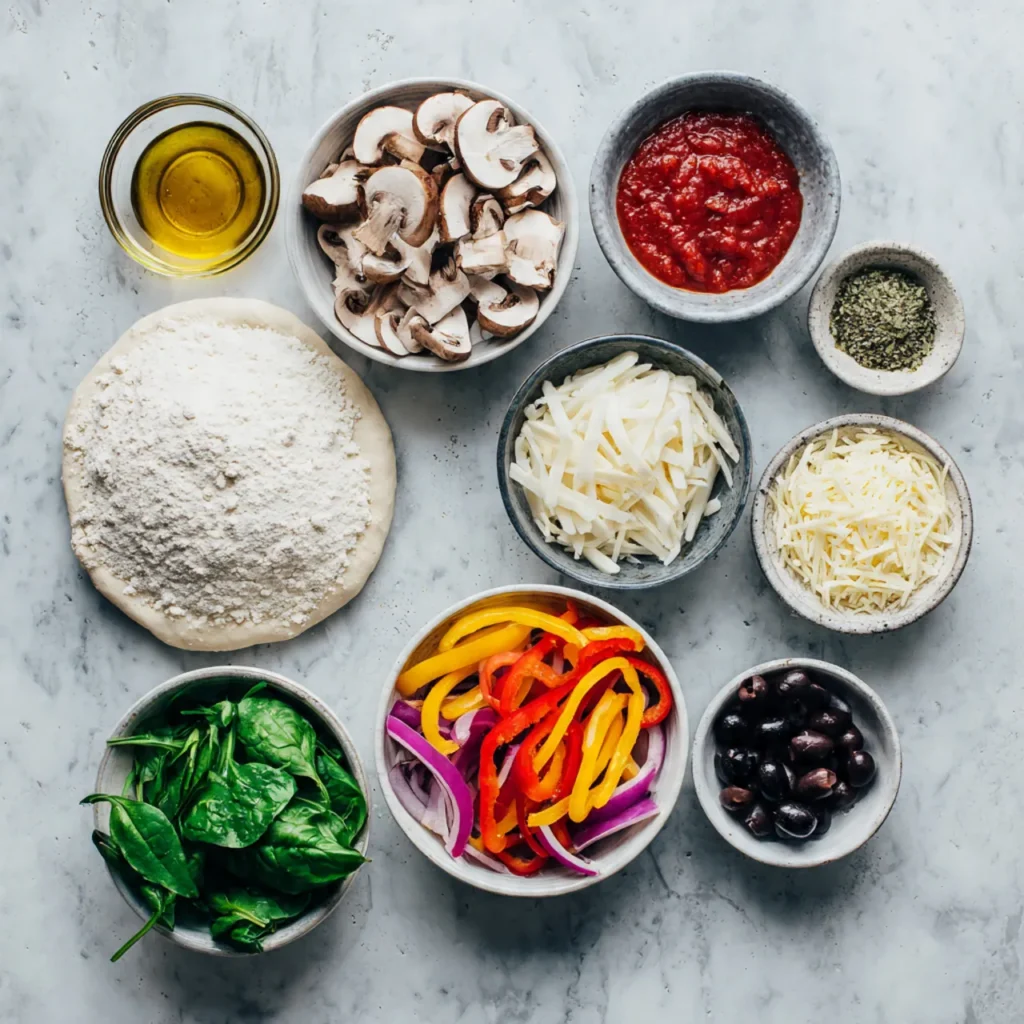
For the Pizza Dough
- 2 ¼ teaspoons active dry yeast
- 1 teaspoon sugar
- ¾ cup warm water
- 2 cups all-purpose flour
- 1 tablespoon olive oil
- 1 teaspoon salt
For the Pizza Sauce
- ¾ cup pizza sauce or crushed tomatoes
- 1 teaspoon dried oregano
- ½ teaspoon garlic powder
- ¼ teaspoon chili flakes
For the Toppings
- 1 ½ cups shredded vegan mozzarella cheese
- ½ cup sliced red onions
- ½ cup sliced bell peppers
- ½ cup mushrooms, sliced
- ¼ cup black olives
- 1 cup fresh spinach
- 1 tablespoon olive oil
For Garnish
- Fresh basil leaves
- Crushed chili flakes
- Extra virgin olive oil for drizzling
How to Make Crispy Vegan Pizza
Step 1: Prepare the Dough
In a large bowl, combine warm water, sugar, and yeast. Let it sit for 5–7 minutes until foamy. Add flour, olive oil, and salt, then mix until a rough dough forms. Knead for about 8 minutes until smooth and elastic. Cover the bowl and let the dough rise in a warm spot for 45 minutes or until doubled in size.
This step creates the chewy yet crisp pizza crust that gives your homemade vegan pizza recipe its classic texture.
Chef’s Tip: If your kitchen feels cold, place the dough near a slightly warm oven to help the yeast activate properly. Slow-rising dough can become dense and dry, while a well-risen dough creates better air pockets and a lighter crust.
Step 2: Prepare the Toppings
While the dough rises, slice all vegetables evenly and pat mushrooms dry with a paper towel. Toss the vegetables lightly with olive oil so they roast properly during baking.
Keeping the vegetables dry helps prevent a soggy vegan pizza crust, especially when using moisture-rich toppings like mushrooms and spinach.
Chef’s Tip: Cutting vegetables into similar sizes helps them cook evenly in the short baking time. Large chunks can stay undercooked while smaller pieces burn before the crust becomes crispy.
Step 3: Shape the Pizza
Preheat your oven to 475°F (245°C). If you have a pizza stone or baking steel, place it inside while the oven heats. Punch down the risen dough and transfer it onto a lightly floured surface. Roll or stretch it into a thin 12-inch circle.
Transfer the dough onto parchment paper or a lightly floured pizza peel. Thin dough is key for achieving that crispy vegan pizza texture beginners often struggle to get at home.
Chef’s Tip: Avoid pressing too hard on the edges while shaping the dough. Leaving some air around the border creates a naturally puffed crust that bakes beautifully golden and crisp.
Step 4: Add Sauce and Toppings
Spread the pizza sauce evenly across the dough, leaving about 1 inch around the edges. Sprinkle vegan mozzarella cheese over the sauce, then add onions, bell peppers, mushrooms, olives, and spinach.
Do not overload the pizza with toppings. A lighter layer allows heat to circulate properly so the crust crisps instead of steaming underneath.
Chef’s Tip: Adding spinach on top of the cheese instead of underneath prevents it from trapping moisture against the crust. This small layering trick keeps the base crisp and improves texture.
Step 5: Bake Until Crispy
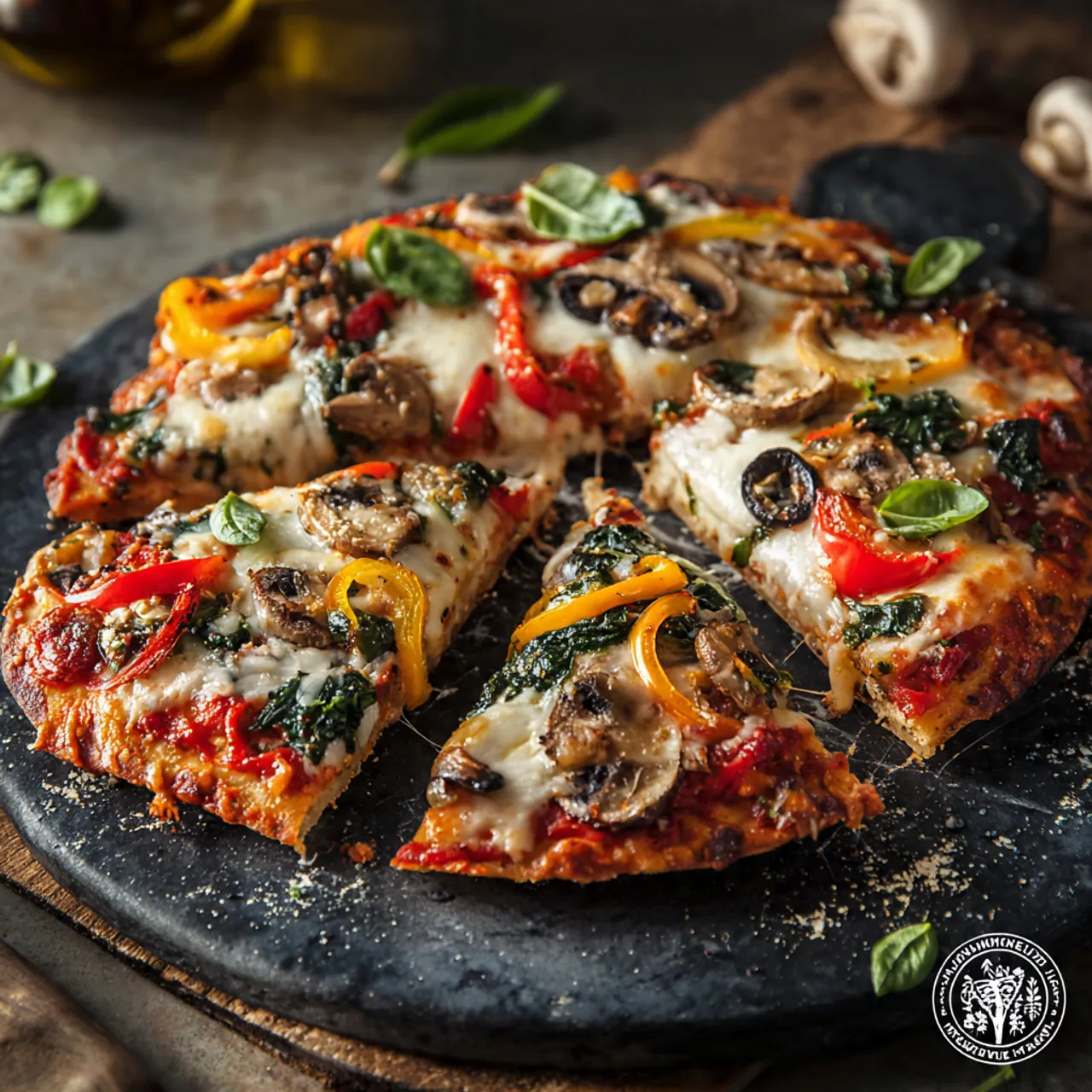
Bake the vegan pizza for 12–15 minutes or until the crust turns golden brown and the vegan cheese melts completely. Rotate the pizza halfway through baking if your oven cooks unevenly.
You should see crisp edges and bubbling cheese before removing it from the oven.
Chef’s Tip: For extra crunch, brush the crust edges lightly with olive oil before baking. This encourages deeper browning and gives the crust a bakery-style finish without making it greasy.
Step 6: Garnish and Serve
Let the pizza cool for 2–3 minutes before slicing. Finish with fresh basil, chili flakes, and a light drizzle of olive oil for added flavor and shine.
Resting the pizza briefly helps the cheese settle so slices hold together better when served.
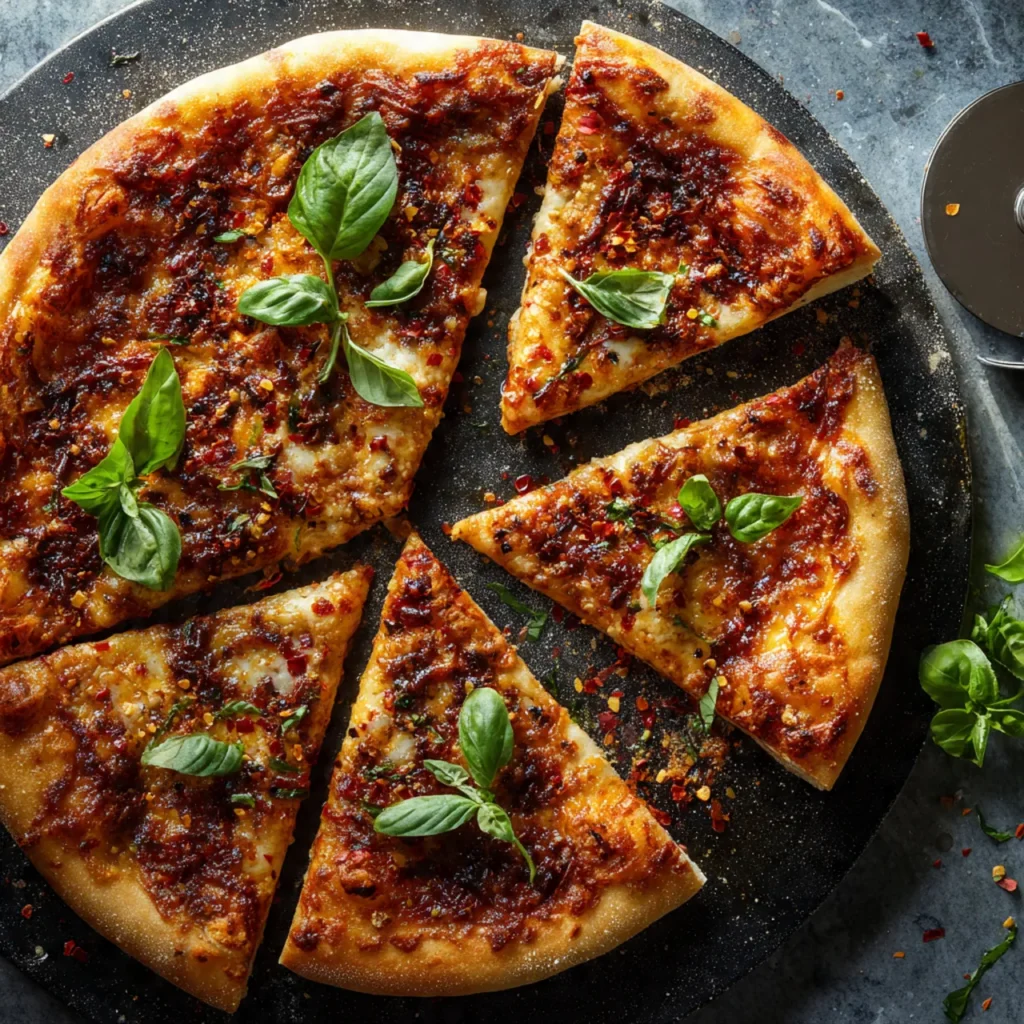
Chef’s Tip: Cutting pizza immediately after baking can cause toppings and cheese to slide off. Giving it a short rest improves texture and keeps every slice neat and easier to handle.
Nutritional Information
| Nutrient | Per Serving |
| Calories | 340 |
| Protein | 11g |
| Carbohydrates | 42g |
| Total Fat | 14g |
| Saturated Fat | 3g |
| Fiber | 5g |
| Sodium | 620mg |
| Sugar | 4g |
Why You’ll Love This Recipe
- This crispy vegan pizza recipe gives you the satisfying texture of traditional pizza while staying completely plant based, making it ideal for anyone reducing dairy without sacrificing flavor.
- You only need simple pantry ingredients and fresh vegetables, so the recipe feels approachable even if this is your first time making homemade pizza dough.
- The thin crust bakes quickly and develops crisp edges with a soft center, creating a balance that works beautifully for family dinners or casual entertaining.
- You can customize the toppings endlessly depending on what vegetables or vegan cheeses you already have in your kitchen, making it budget-friendly and flexible.
- The pizza reheats surprisingly well, so leftovers stay flavorful and crisp enough for lunch or meal prep during busy weekdays.
Common Mistakes to Avoid
- Using too much sauce is one of the biggest reasons homemade vegan pizza turns soggy. A thin, even layer gives enough flavor without preventing the crust from crisping properly.
- Skipping oven preheating can leave the crust pale and soft because pizza needs intense heat from the start to create a crisp bottom and properly cooked dough.
- Overloading the pizza with vegetables traps steam during baking. Keeping toppings balanced allows moisture to evaporate instead of soaking into the crust.
- Rolling the dough too thick may seem easier for beginners, but thick dough often stays doughy in the center before the toppings finish cooking.
- Forgetting to dry vegetables like mushrooms or spinach adds extra water to the pizza. Patting them dry helps maintain a crispy vegan pizza crust.
Serving Suggestions
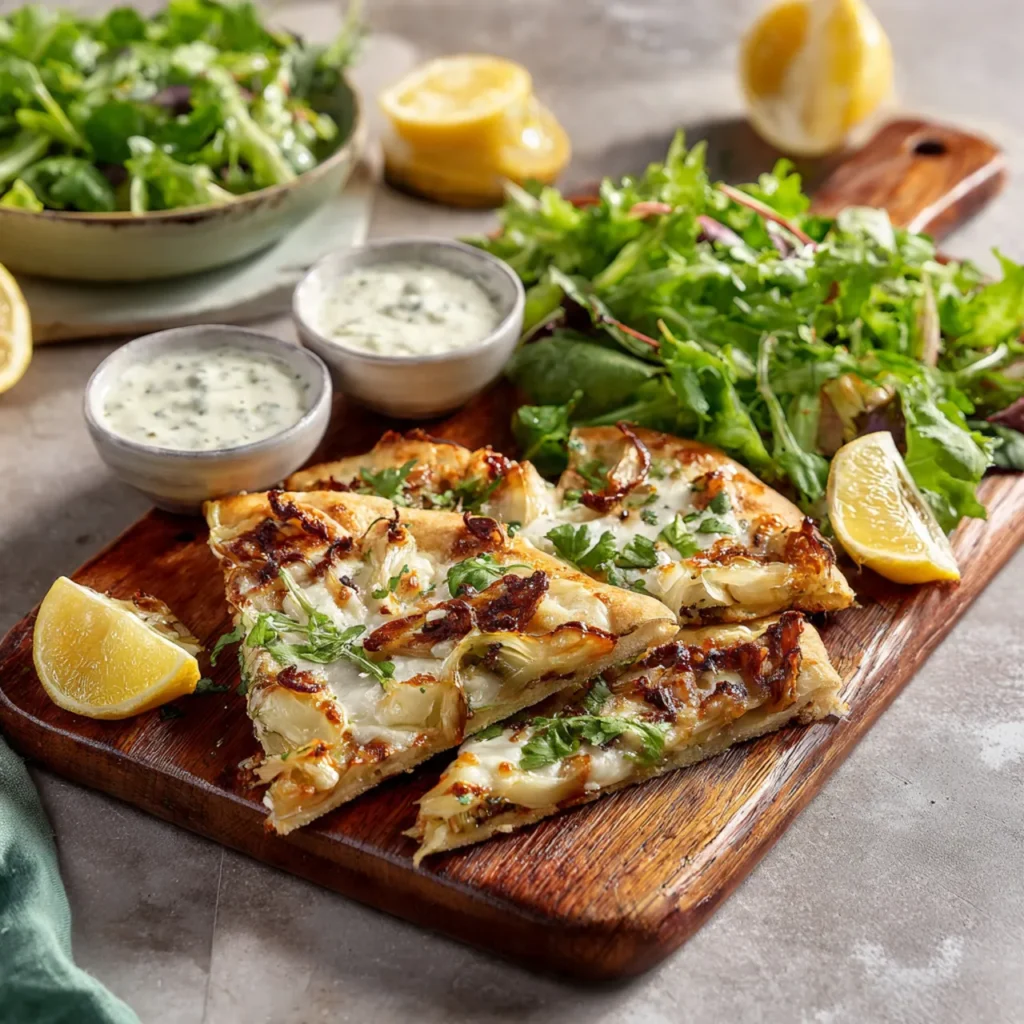
- Serve this plant based dinner pizza alongside a crisp green salad with lemon vinaigrette for a lighter meal that balances the richness of the vegan cheese.
- Pair slices with roasted garlic dip or dairy-free ranch sauce if you want a casual game night dinner that feels more indulgent and restaurant-style.
- Cut the pizza into smaller squares and serve it as an appetizer platter during gatherings. The crispy crust makes it easy to hold and eat without becoming messy.
- Top leftover slices with fresh arugula and balsamic glaze the next day for an upgraded lunch that feels fresh and flavorful instead of reheated.
Healthier Alternatives and Ingredient Swaps
- Swap all-purpose flour for whole wheat flour to add more fiber and a slightly nuttier flavor while still keeping the crust crisp and sturdy.
- Use homemade tomato sauce with reduced sodium if you want better control over salt levels without losing the rich pizza flavor.
- Replace vegan mozzarella with a lighter cashew-based cheese or nutritional yeast for a lower-fat option that still adds savory depth.
- Add extra vegetables like zucchini, cherry tomatoes, or broccoli to increase nutrients and make the vegan pizza even more filling without extra processed ingredients.
- If you prefer gluten-free recipes, use a gluten-free pizza dough blend designed for high-heat baking so the crust stays crisp instead of crumbly.
Storage and Meal Prep Tips
- Store leftover vegan pizza in an airtight container in the refrigerator for up to 3 days. Keeping slices separated with parchment paper prevents sticking.
- Reheat pizza in a skillet or oven instead of a microwave to bring back the crispy crust texture. Microwaving softens the base and can make vegetables watery.
- You can prepare the pizza dough one day ahead and refrigerate it overnight. Slow fermentation improves flavor and gives the crust a slightly chewier texture.
- Chop vegetables and shred vegan cheese in advance for quicker weeknight assembly. Prepped toppings make homemade pizza feel much easier on busy evenings.
- Freeze baked slices individually and reheat directly from frozen in a hot oven for an easy plant based dinner that still tastes freshly made.
Conclusion
This crispy vegan pizza recipe proves that plant based comfort food can be deeply satisfying, flavorful, and easy enough for beginners to master at home. With a crisp homemade crust, colorful vegetables, and melty dairy-free cheese, you get a pizza that feels customizable, reliable, and perfect for everything from relaxed family dinners to weekend gatherings. Once you learn the simple techniques behind a crisp crust and balanced toppings, you can confidently make this vegan pizza your own every time.
Crispy Vegan Pizza Recipe
Ingredients
Method
- Activate the yeast in warm water with sugar until foamy, then mix with flour, olive oil, and salt to create a smooth dough. Kneading thoroughly helps develop gluten, which creates a crisp yet chewy pizza crust after baking.
- Allow the dough to rise until doubled in size while you prepare the vegetables and sauce. Resting gives the dough better flavor and texture, making it easier to stretch without tearing.
- Roll or stretch the dough into a thin circle and transfer it onto parchment paper or a pizza peel. A thinner crust cooks more evenly and becomes crisp faster in a hot oven.
- Spread sauce lightly across the dough and layer vegan cheese and vegetables evenly. Balanced toppings help the pizza bake properly without trapping too much moisture.
- Bake at high heat until the crust turns golden brown and the cheese melts completely. Rotating the pizza midway ensures even browning and a crisp finish.
- Rest the pizza briefly before slicing, then garnish with basil and chili flakes. Letting it cool slightly helps the toppings settle and keeps slices neat when serving.
Notes
- Preheating a pizza stone or baking tray before adding the pizza helps create immediate bottom heat, which is essential for achieving a crispy vegan pizza crust at home.
- Using lightly oiled vegetables instead of heavily seasoned wet toppings prevents excess moisture from soaking into the dough while still giving the vegetables a roasted flavor.
- Allowing the dough to rest after shaping can make stretching easier and prevents the crust from shrinking back while assembling the pizza.
- Baking the pizza on the lower oven rack encourages better crust browning because the bottom receives stronger direct heat during cooking.