
Tender Crockpot Cabbage Recipe for Slow Cooked Meals
Slow cooked cabbage turns surprisingly rich, tender, and flavorful when left in a crockpot with simple aromatics and seasoning. You get a comforting, budget-friendly dish that fits weeknight dinners, meal prep, or cozy family meals without standing over the stove.
Timing
- Prep Time: 15 minutes
- Cook Time: 6–8 hours (low) or 3–4 hours (high)
- Total Time: Up to 8 hours 15 minutes
- Servings: 6
Ingredients for Crockpot Cabbage Recipe
Fresh Vegetables
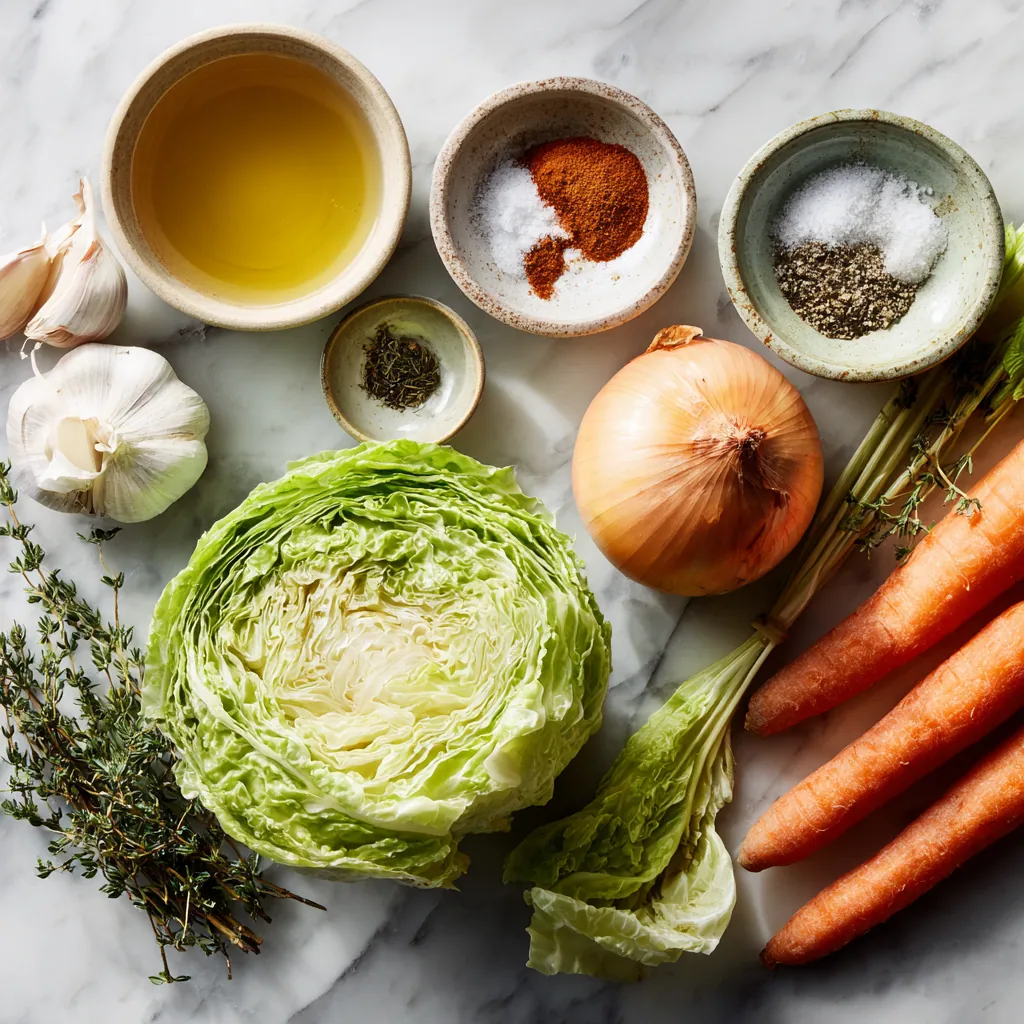
- 1 medium green cabbage (about 2–2.5 lbs), chopped into large chunks
- 1 large onion, thinly sliced
- 2 carrots, sliced into rounds (optional but adds natural sweetness)
- 3 cloves garlic, minced
Cooking Liquid
- 1 cup vegetable broth (or chicken broth for deeper flavor)
- 1 tablespoon apple cider vinegar (adds gentle tang and balance)
Seasoning Base
- 2 tablespoons olive oil or butter
- 1 teaspoon salt (adjust to taste)
- 1/2 teaspoon black pepper
- 1 teaspoon smoked paprika (adds warmth and depth)
- 1/2 teaspoon dried thyme
Optional Add-Ins
- 1/2 teaspoon red pepper flakes for mild heat
- 1 cup diced potatoes for a heartier texture
- 1 cup cooked sausage or smoked meat for a fuller meal
Step-by-Step Instructions
Step 1: Prepare and Layer the Vegetables
Start by chopping your cabbage into medium, even pieces so it cooks uniformly in the crockpot. Add the onion, carrots, and garlic directly into the slow cooker base, followed by the cabbage on top. This layering helps the aromatics release flavor upward as they cook slowly.
Chef’s Tip: Keep the cabbage pieces slightly larger instead of shredding them too finely, as they hold their texture better during long cooking and prevent a mushy result.
Step 2: Add the Cooking Liquid and Seasoning
Pour in the broth and apple cider vinegar, then drizzle olive oil or add butter evenly over the vegetables. Sprinkle salt, pepper, smoked paprika, and thyme across the top so the seasoning distributes as everything melts together.
Chef’s Tip: Avoid stirring too early; letting the seasoning sit on top helps it slowly infuse through steam and moisture during the first hours of cooking.
Step 3: Start Slow Cooking
Cover your crockpot and cook on low for 6–8 hours or high for 3–4 hours. The cabbage will gradually soften, absorb seasoning, and develop a naturally sweet and savory depth.
Chef’s Tip: Cooking on low heat is always better for crockpot cabbage recipes because it prevents over-softening and keeps the texture pleasantly tender instead of watery.
Step 4: Stir Halfway Through Cooking
About halfway through, gently stir the mixture to redistribute moisture and seasoning. This ensures even cooking and prevents the bottom layer from becoming too soft while the top remains firm.
Chef’s Tip: Use a silicone spoon or spatula to stir gently so you don’t break down the cabbage structure too much during cooking.
Step 5: Adjust Flavor Before Serving
Once cooked, taste and adjust seasoning by adding a pinch of salt, pepper, or a splash of vinegar if needed. This step enhances balance and brings brightness to the slow-cooked flavor.
Chef’s Tip: Always adjust seasoning at the end because slow cooking can mellow salt and acidity, so final adjustments make a noticeable difference in flavor clarity.
Step 6: Rest Slightly Before Serving
Let the cabbage rest in the crockpot with the heat turned off for about 10 minutes before serving. This allows excess steam to settle and flavors to fully absorb into every bite.
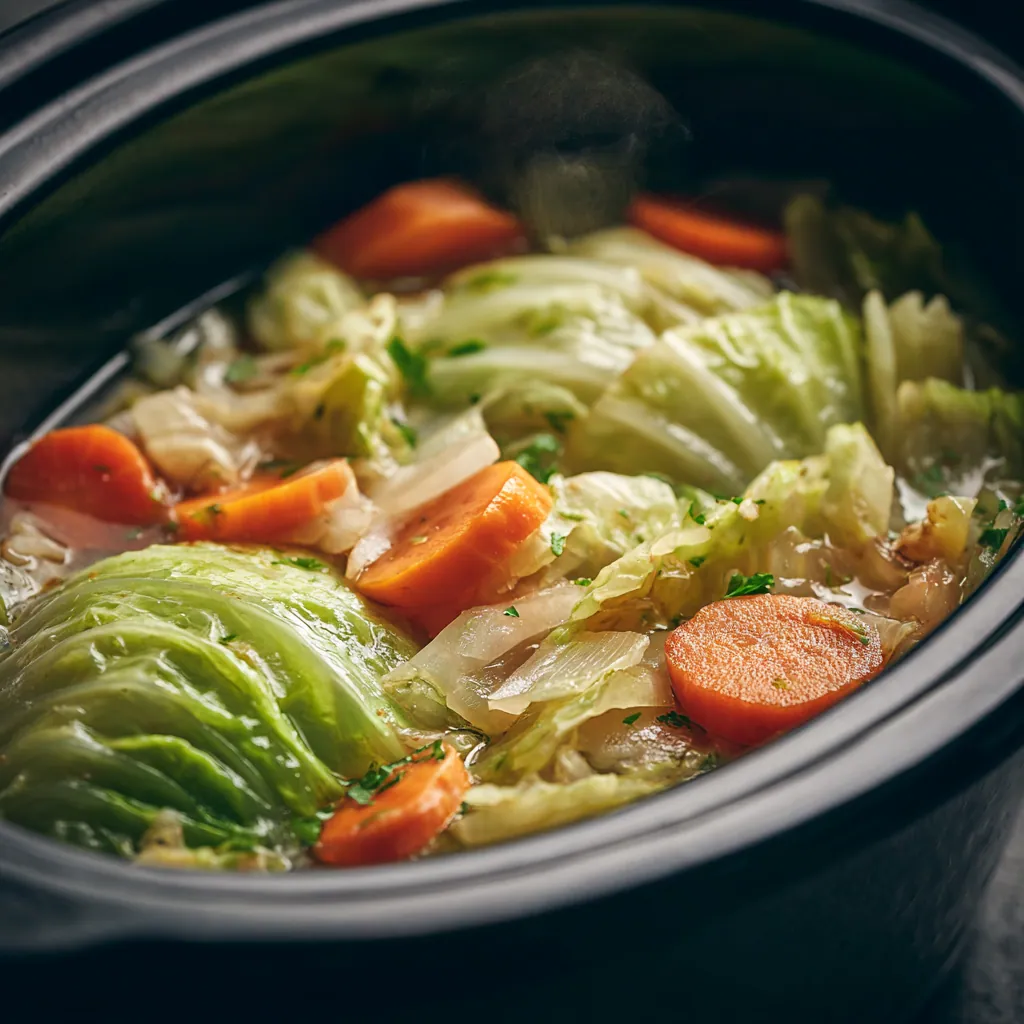
Chef’s Tip: Resting helps thicken the natural juices slightly, making the dish more cohesive and less watery on the plate.
Nutrition (Per Serving)
| Nutrient | Amount |
| Calories | 120 kcal |
| Protein | 3 g |
| Carbohydrates | 14 g |
| Total Fat | 6 g |
| Fiber | 4 g |
| Sodium | 380 mg |
| Vitamin C | High (from cabbage) |
Why You’ll Love This Recipe
- You get a naturally sweet and savory flavor that develops slowly, making simple cabbage taste deeply satisfying without complicated ingredients or techniques.
- It is budget-friendly and uses everyday pantry staples, which makes it perfect for weeknight cooking or large family meals.
- The crockpot does all the work, so you can prepare everything in minutes and return to a fully cooked, comforting dish.
- It is highly adaptable, allowing you to turn it into a side dish, main meal, or even a base for proteins and grains.
Common Mistakes to Avoid
- Cutting cabbage too small can cause it to break down too much during long cooking, resulting in a mushy texture instead of tender chunks.
- Adding too little liquid may cause uneven cooking, so always ensure there is enough broth to create steady steam throughout the crockpot.
- Over-seasoning at the beginning can lead to flat or overly salty flavors because slow cooking naturally intensifies seasoning over time.
- Opening the lid too often releases heat and steam, which slows down cooking and affects texture consistency.
Serving Suggestions
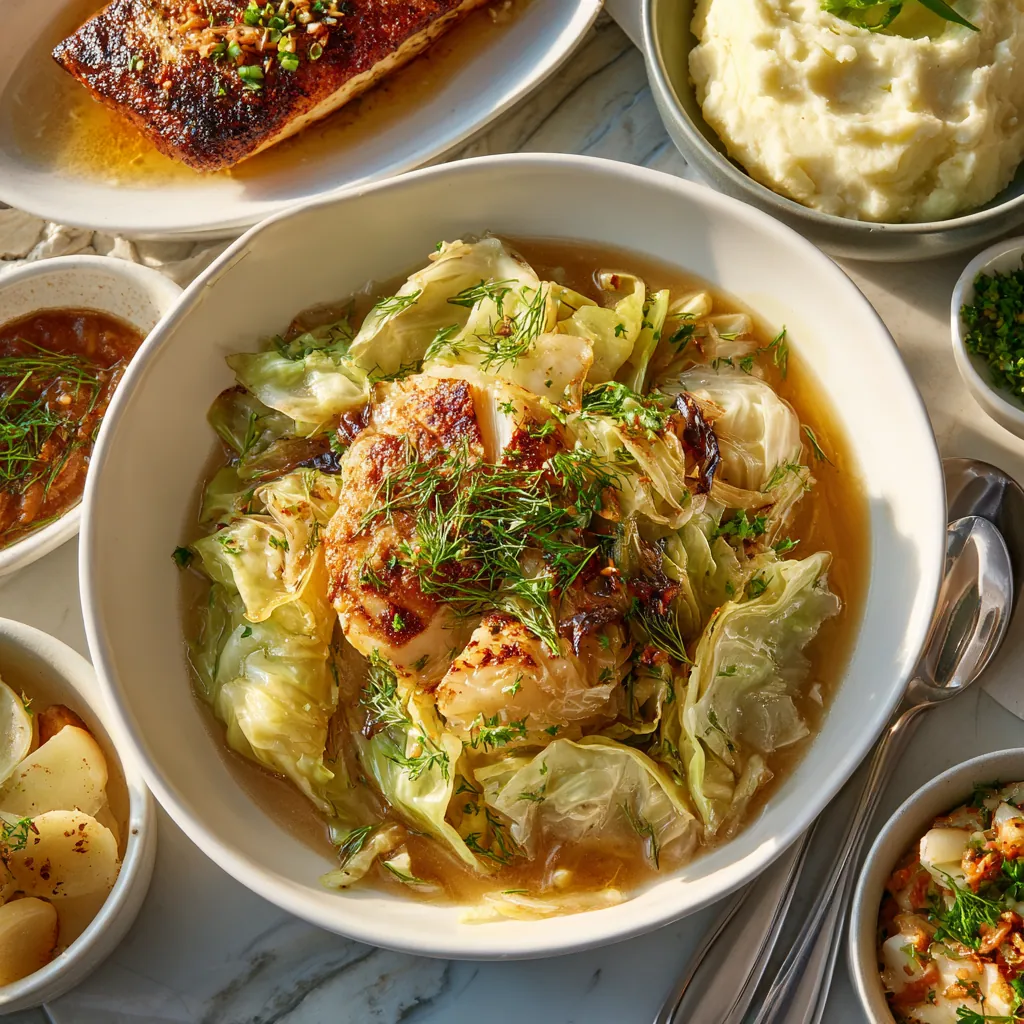
- Serve it as a comforting side dish alongside roasted chicken or grilled fish, where the soft cabbage absorbs savory juices beautifully.
- Spoon it over mashed potatoes or rice for a hearty, budget-friendly vegetarian meal that feels filling and balanced.
- Pair it with crusty bread to soak up the flavorful broth left at the bottom of the crockpot.
- Use it as a base for sausages or smoked meats, turning it into a rustic, complete dinner with minimal effort.
Healthier Alternatives and Ingredient Swaps
- Replace butter with olive oil or avocado oil if you prefer a lighter fat profile without losing richness.
- Use low-sodium broth to reduce salt content while still maintaining depth of flavor in the crockpot cabbage.
- Swap potatoes for cauliflower florets if you want a lower-carb version that still feels hearty and satisfying.
- Add chickpeas or lentils instead of meat for a plant-based protein boost that keeps the dish filling and nutritious.
Storage and Meal Prep Tips
- Store leftovers in an airtight container in the refrigerator for up to 4 days while maintaining good flavor and texture.
- Reheat gently on the stovetop or microwave with a splash of broth to restore moisture and prevent dryness.
- Freeze portions for up to 2 months, but allow them to thaw slowly in the refrigerator for best texture retention.
- Use it as a meal prep base for bowls by pairing it with grains, proteins, or roasted vegetables throughout the week.
Conclusion
This crockpot cabbage recipe proves that simple ingredients can deliver deep, comforting flavor with very little effort. Once you understand how slow cooking transforms cabbage, you can easily adjust seasonings, add proteins, or keep it vegetarian while still achieving a rich, satisfying result every time.