
Smooth Chocolate Ganache Recipe for Glossy Cake Topping
Rich, silky, and irresistibly shiny, this smooth chocolate ganache recipe gives you a bakery-quality finish with minimal effort. You’ll love how easily it transforms cakes, cupcakes, and desserts into something polished and indulgent.
Timing
- Prep Time: 5 minutes
- Cook Time: 5 minutes
- Total Time: 10 minutes
- Servings: Enough to cover one 8-inch cake or 12 cupcakes
Ingredients for Chocolate Ganache Recipe
Chocolate Base
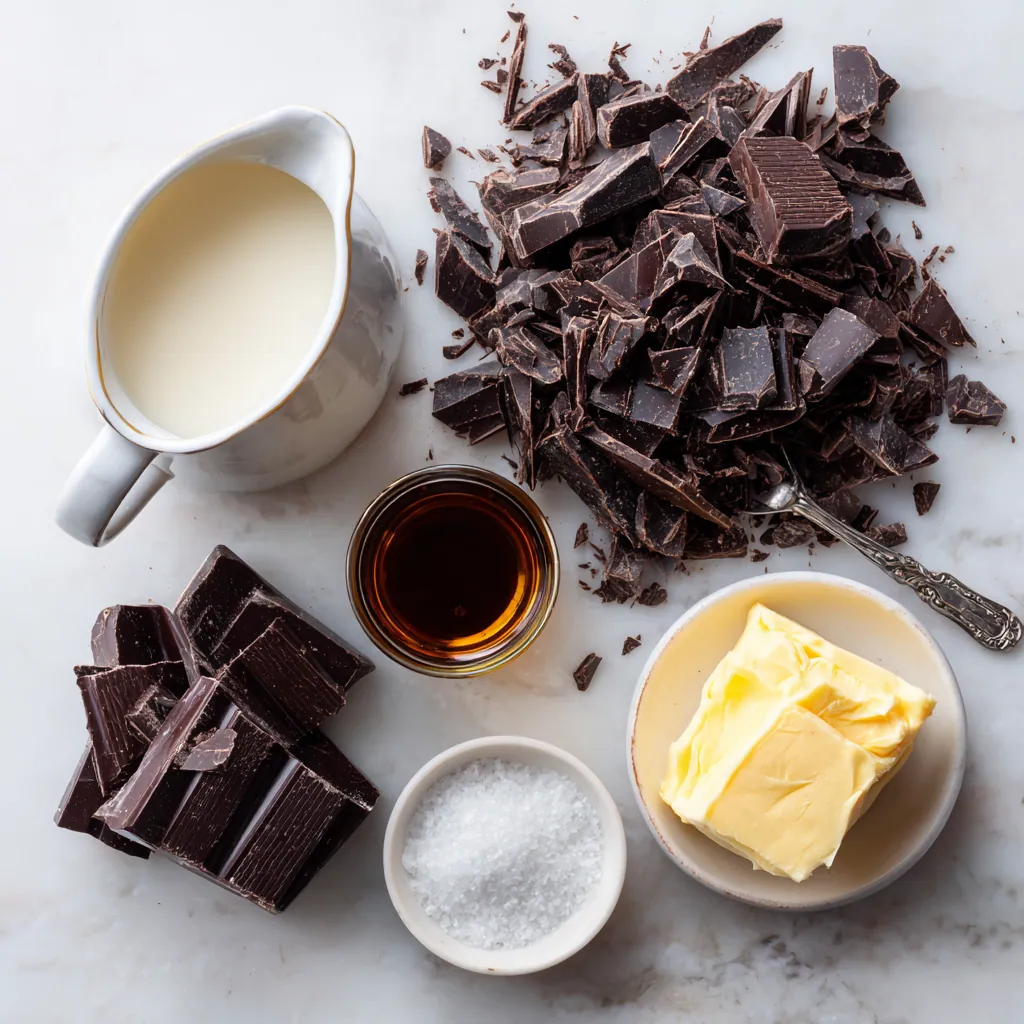
- 200g (7 oz) high-quality dark chocolate, finely chopped
- 1 cup (240 ml) heavy cream
Flavor Enhancers (Optional but Recommended)
- 1 teaspoon vanilla extract
- 1 tablespoon unsalted butter (for extra shine and smoothness)
- Pinch of salt (to enhance chocolate flavor)
Step-by-Step Instructions
Step 1: Chop the Chocolate (2–3 minutes)
Place your finely chopped chocolate into a heatproof bowl. Cutting it into small, even pieces helps it melt smoothly and prevents lumps in your ganache.
Chef’s Tip: Use a sharp knife and take your time chopping the chocolate evenly. Large chunks melt unevenly and can leave grainy bits in your final ganache, which affects both texture and shine.
Step 2: Heat the Cream (2–3 minutes)
Pour the heavy cream into a small saucepan and heat it over medium heat until it just begins to simmer. You’ll notice small bubbles forming around the edges, this is the perfect point to stop.
Chef’s Tip: Avoid letting the cream boil, as overheating can cause it to separate or develop a slightly cooked taste, which will impact the delicate flavor of your chocolate ganache recipe.
Step 3: Combine Chocolate and Cream (2 minutes)
Carefully pour the hot cream over the chopped chocolate. Let it sit undisturbed for 1–2 minutes so the heat can gently melt the chocolate.
Chef’s Tip: Resist the urge to stir immediately. Allowing the chocolate to sit ensures even melting, reducing the chance of lumps and giving you that perfectly smooth consistency.
Step 4: Stir Until Smooth (2–3 minutes)
Using a spatula or whisk, gently stir the mixture from the center outward until it becomes glossy and fully combined. Add butter, vanilla extract, and salt at this stage if using.
Chef’s Tip: Stir slowly and consistently rather than aggressively. Overmixing can incorporate air bubbles, which dull the glossy finish you want for a cake topping.
Step 5: Adjust Consistency (2–5 minutes)
Let the ganache cool slightly if you want a thicker consistency for spreading or piping. Use it immediately while warm for a smooth, pourable glaze.
Chef’s Tip: Temperature controls texture. Warm ganache is ideal for pouring, while cooled ganache thickens naturally, no need to add extra ingredients that might alter the flavor.
Step 6: Apply to Cake (3–5 minutes)
Pour or spread the ganache over your cake, starting from the center and gently guiding it toward the edges for an even coating.
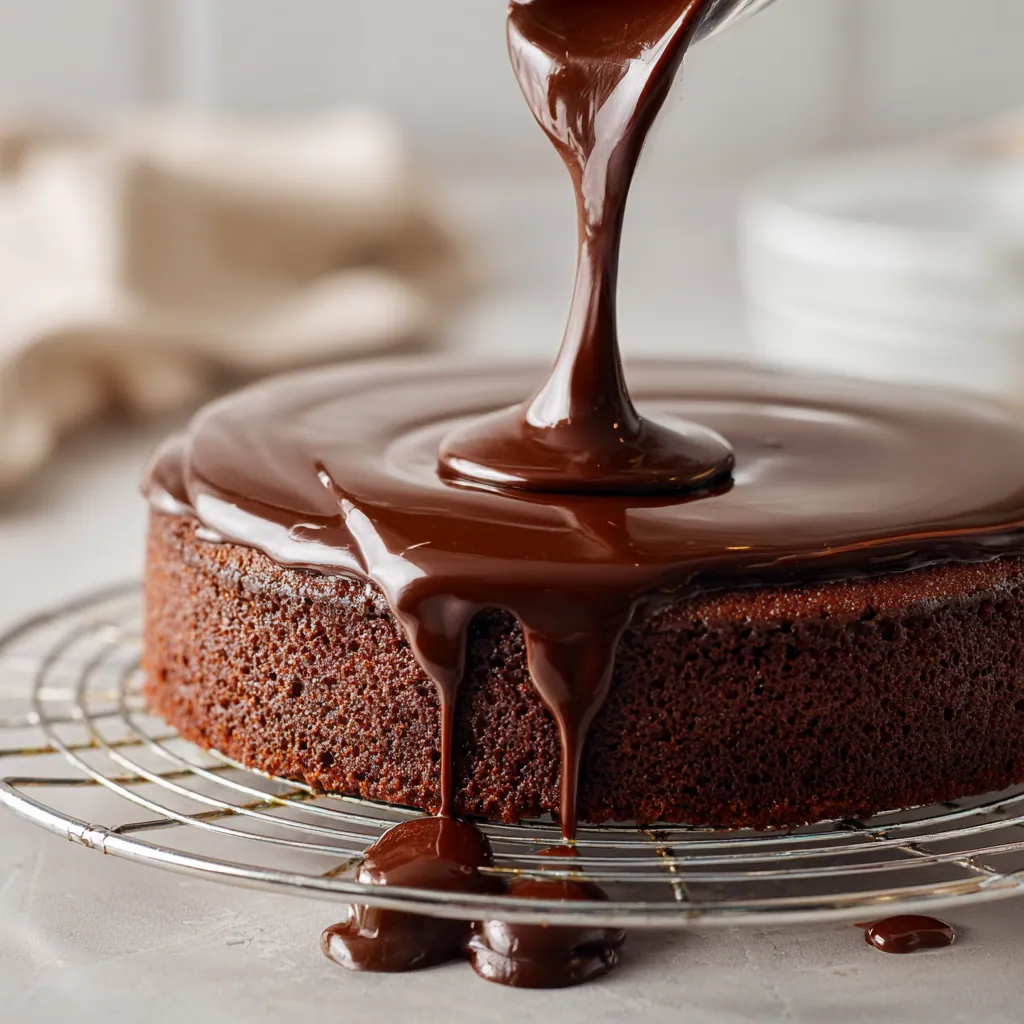
Chef’s Tip: Place your cake on a wire rack over a tray before pouring. This allows excess ganache to drip off cleanly, giving you a professional-looking finish without mess.
Nutritional Information (Per Serving Approx.)
| Nutrient | Amount |
| Calories | 210 kcal |
| Protein | 2 g |
| Carbohydrates | 18 g |
| Total Fat | 15 g |
| Saturated Fat | 9 g |
| Fiber | 2 g |
| Sugar | 14 g |
Why You’ll Love This Recipe
- You get a consistently smooth and glossy finish that elevates even simple cakes into bakery-style desserts without requiring advanced skills or special equipment.
- This chocolate ganache recipe is incredibly versatile, working as a glaze, filling, frosting, or even a dip for fruits and pastries.
- The ingredient list is minimal, yet the flavor is rich and indulgent, proving that simple techniques can deliver professional-quality results.
- You can easily adjust the texture depending on how you plan to use it, making it a flexible staple for your dessert repertoire.
Common Mistakes to Avoid
- Using low-quality chocolate can result in a dull finish and overly sweet taste, so always choose good-quality chocolate with a high cocoa content for the best outcome.
- Overheating the cream often leads to separation or a greasy texture, which can ruin the smooth consistency you’re aiming for.
- Stirring too quickly or too soon can create air bubbles and uneven texture, making your ganache look less polished when applied.
- Adding cold ingredients like butter directly without allowing slight cooling can cause the mixture to seize or split, so timing matters here.
Serving Suggestions
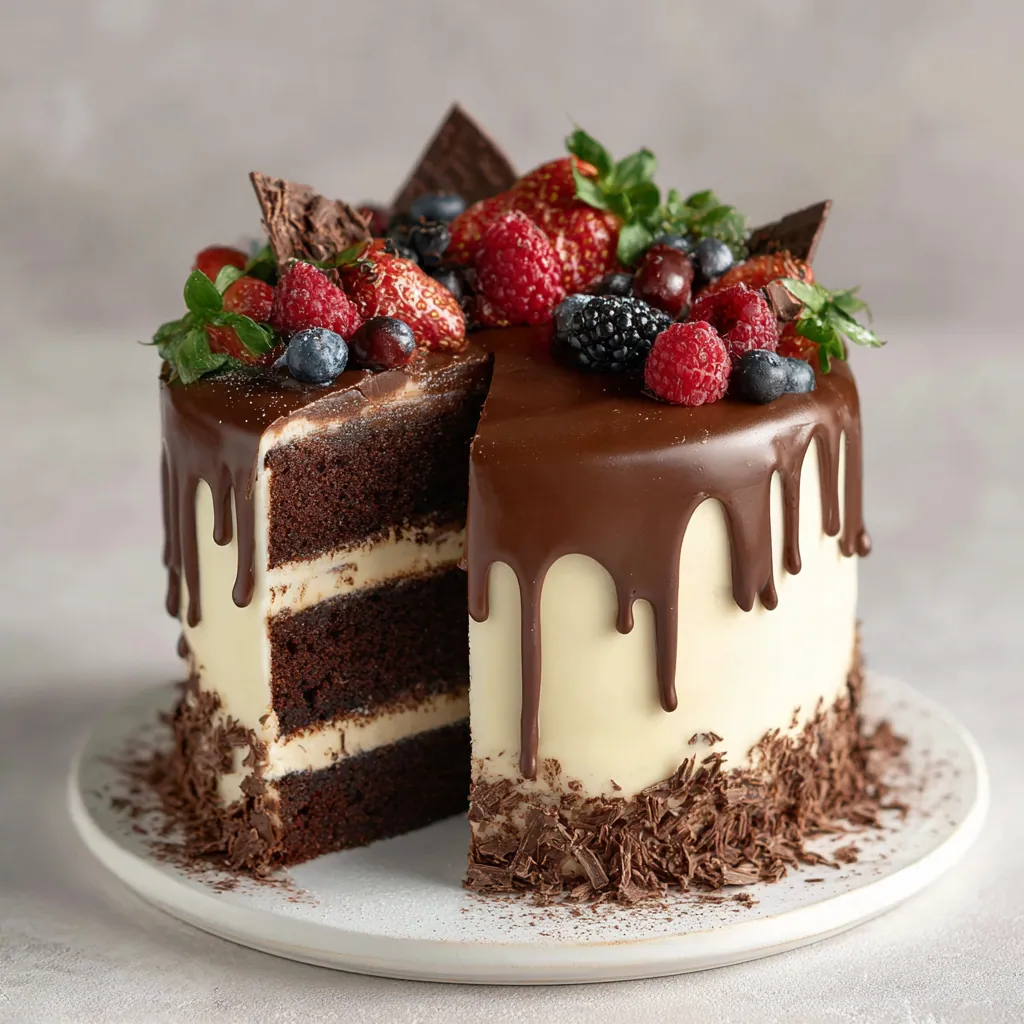
- Pour the warm ganache over a chocolate or vanilla cake for a dramatic drip effect that looks elegant and appetizing.
- Use it as a filling between cake layers to create a rich, moist texture that enhances every bite.
- Chill slightly and whip it to create a fluffy frosting alternative that spreads beautifully on cupcakes.
- Serve it as a dip alongside strawberries, bananas, or marshmallows for a simple yet impressive dessert platter.
Healthier Alternatives and Ingredient Swaps
- Swap heavy cream with coconut cream to create a dairy-free version that still delivers a creamy and smooth texture.
- Use dark chocolate with a higher cocoa percentage to reduce sugar content while intensifying the chocolate flavor.
- Replace butter with a small amount of coconut oil for a lighter option that still maintains shine and consistency.
- Reduce the quantity slightly and use it as a drizzle instead of a full coating to cut down on calories without sacrificing taste.
Storage and Meal Prep Tips
- Store leftover ganache in an airtight container in the refrigerator for up to 5 days, ensuring it stays fresh and safe to use.
- Reheat gently in short intervals in the microwave or over a double boiler, stirring in between to restore its smooth texture.
- If the ganache thickens too much after chilling, add a small splash of warm cream to bring it back to the desired consistency.
- You can prepare it in advance and keep it ready for quick dessert assembly, making it a convenient option for busy baking schedules.
Conclusion
This smooth chocolate ganache recipe works because it balances simplicity with precision, giving you reliable, glossy results every time. Once you master the technique, you can adjust flavors, textures, and uses to suit any dessert you have in mind.