
Creamy Tomato Soup Recipe for Smooth Comfort Flavor
A well-made creamy tomato soup recipe gives you that silky, rich comfort you crave without complicated techniques. You’ll love how simple ingredients transform into a smooth, balanced bowl that works perfectly for weeknight dinners or cozy lunches.
Timing
- Prep Time: 10 minutes
- Cook Time: 30 minutes
- Total Time: 40 minutes
- Servings: 4 bowls
Ingredients for Tomato Soup Recipe
For the Soup Base
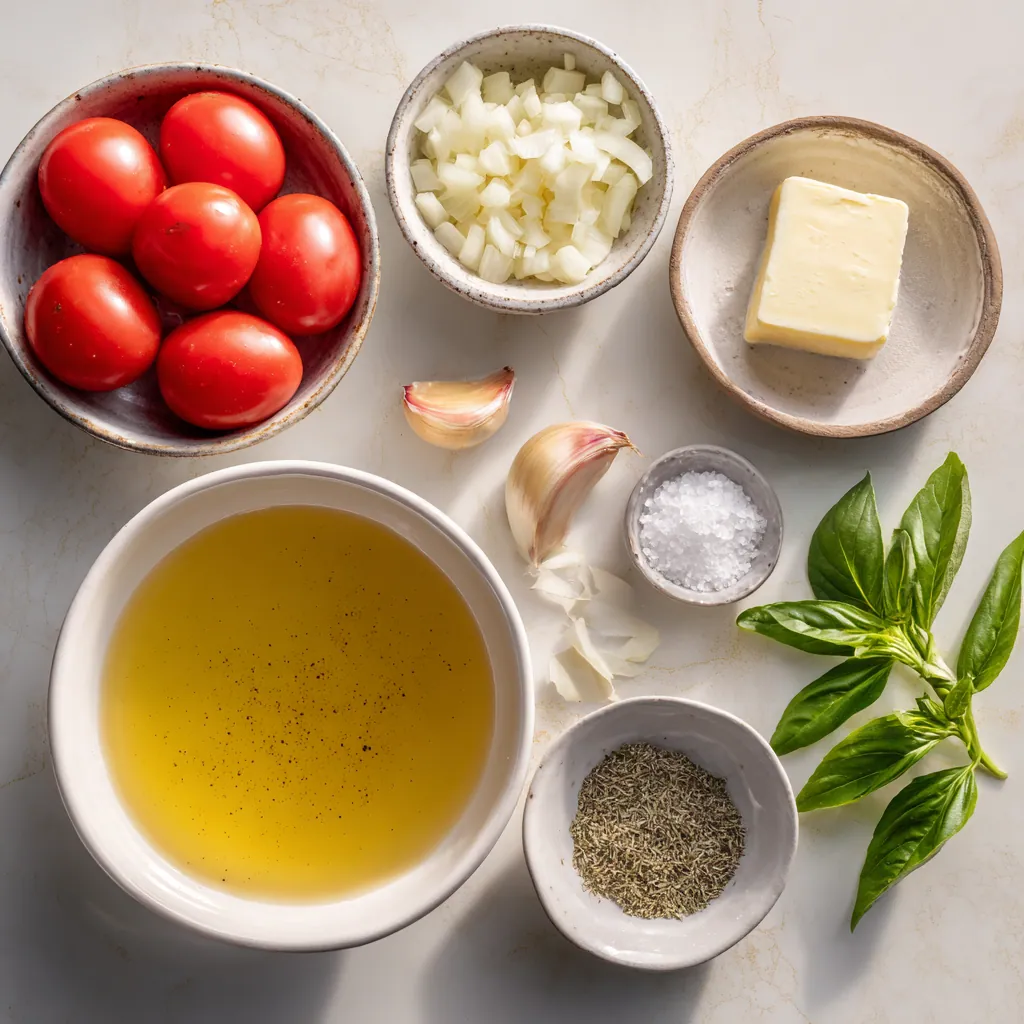
- 2 tablespoons olive oil
- 1 medium onion, finely chopped
- 3 garlic cloves, minced
- 800g canned whole tomatoes (or fresh, peeled tomatoes)
- 2 cups vegetable broth
For Creaminess & Flavor
- ½ cup heavy cream
- 1 teaspoon sugar (balances acidity)
- Salt, to taste
- ½ teaspoon black pepper
For Aromatics & Finishing
- 1 teaspoon dried basil (or 2 tablespoons fresh basil)
- 1 tablespoon butter
- Fresh basil leaves for garnish (optional)
Step-by-Step Instructions
Step 1: Sauté the Aromatics
Heat olive oil in a medium pot over medium heat. Add chopped onion and cook for 5–7 minutes until soft and translucent. Stir in garlic and cook for another 1 minute until fragrant.
This step builds the foundation of flavor, so don’t rush it, properly softened onions give your soup natural sweetness.
Chef’s Tip: Keep the heat moderate and stir often so the garlic doesn’t burn, as burnt garlic can make your creamy tomato soup taste bitter and overpower the smooth flavor.
Step 2: Add Tomatoes and Broth
Pour in the canned tomatoes along with their juices, then add the vegetable broth. Break up the tomatoes with a spoon as they cook. Let everything simmer gently for 15 minutes.
Simmering helps the flavors blend while reducing excess acidity from the tomatoes.
Chef’s Tip: If using fresh tomatoes, cook them slightly longer to soften fully and release their natural juices, ensuring a smoother texture later.
Step 3: Blend Until Smooth
Turn off the heat and carefully blend the soup using an immersion blender until completely smooth. If using a countertop blender, blend in batches and return to the pot.
This step creates that signature silky texture that defines a creamy tomato soup recipe.
Chef’s Tip: Allow the soup to cool slightly before blending in a standard blender to avoid pressure buildup, which can cause splattering and uneven blending.
Step 4: Add Cream and Seasoning
Return the soup to low heat. Stir in the heavy cream, sugar, salt, pepper, and dried basil. Let it simmer gently for 5 minutes.
This is where the soup transforms into a rich, comforting dish with balanced acidity and creaminess.
Chef’s Tip: Add the cream slowly while stirring to prevent curdling and ensure a smooth, even consistency throughout the soup.
Step 5: Finish with Butter
Stir in the butter just before serving and let it melt completely. Taste and adjust seasoning if needed.
Butter enhances richness and gives the soup a glossy finish.
Chef’s Tip: Adding butter at the end preserves its flavor and creates a more luxurious mouthfeel compared to cooking it for too long.
Step 6: Serve Warm
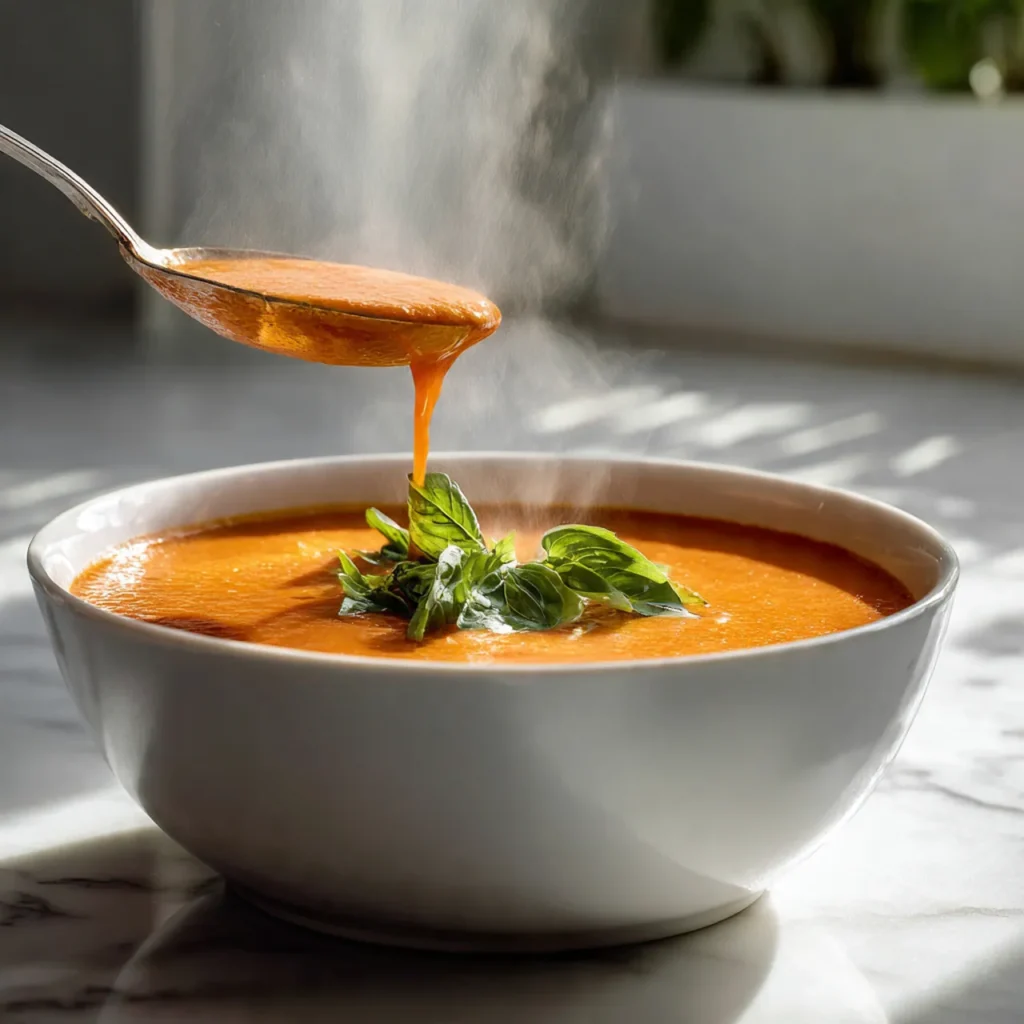
Ladle the soup into bowls and garnish with fresh basil if desired. Serve immediately while warm.
Serving fresh ensures the best texture and flavor.
Chef’s Tip: Warm your bowls beforehand to keep the soup hot longer, especially helpful if serving guests or during colder months.
Nutritional Information (Per Serving)
| Nutrient | Amount |
|---|---|
| Calories | 220 kcal |
| Protein | 4 g |
| Carbohydrates | 18 g |
| Total Fat | 15 g |
| Fiber | 3 g |
| Sugar | 9 g |
| Sodium | 480 mg |
Why You’ll Love This Recipe
- This creamy tomato soup recipe gives you a velvety texture without requiring complicated techniques, making it ideal if you’re just starting out in the kitchen.
- You’ll appreciate how pantry staples like canned tomatoes and broth come together to create a rich and satisfying flavor.
- The balance of acidity and creaminess ensures the soup feels comforting rather than heavy, making it suitable for any season.
- It’s versatile enough to pair with simple sides or elevate into a more complete meal with minimal effort.
Common Mistakes to Avoid
- Skipping the sautéing step often leads to a flat-tasting soup because onions and garlic need time to develop their sweetness and aroma.
- Overheating after adding cream can cause it to separate, which ruins the smooth consistency you’re aiming for in a creamy tomato soup recipe.
- Not blending thoroughly results in a grainy texture, so take your time to achieve a completely smooth finish.
- Forgetting to balance acidity with a small amount of sugar can make the soup taste overly sharp instead of well-rounded.
Serving Suggestions
- Pair your soup with a grilled cheese sandwich to create a classic comfort meal that balances creamy and crispy textures perfectly.
- Serve it alongside toasted crusty bread so you can soak up every bit of the flavorful broth without wasting any.
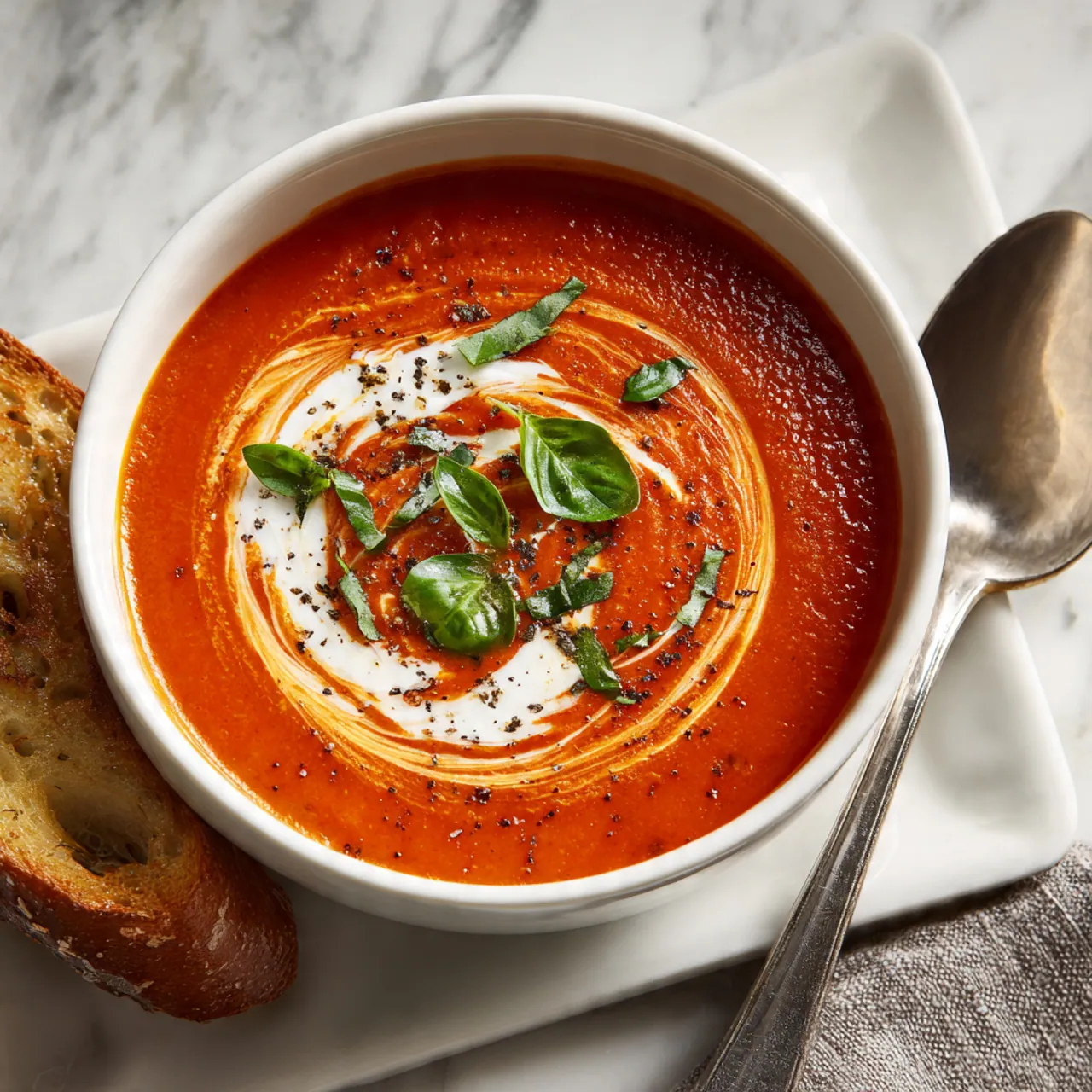
- Add a swirl of extra cream and fresh herbs on top to make the presentation more appealing for guests or special occasions.
- Use it as a base for a light pasta sauce by reducing it slightly and tossing with cooked pasta for a quick variation.

Healthier Alternatives and Ingredient Swaps
- Replace heavy cream with half-and-half or milk to reduce fat content while still keeping the soup creamy and satisfying.
- Use coconut milk as a dairy-free alternative that adds a subtle richness without compromising texture.
- Swap butter with a small drizzle of olive oil to lighten the dish while maintaining flavor depth.
- Reduce sodium by choosing low-sodium broth and adjusting seasoning at the end to suit your taste preferences.
Storage and Meal Prep Tips
- Store leftover soup in an airtight container in the refrigerator for up to 4 days, ensuring it cools completely before sealing.
- Reheat gently on the stovetop over low heat while stirring to maintain the creamy consistency without separation.
- Freeze portions in freezer-safe containers for up to 2 months, making it convenient for quick meals later.
- If meal prepping, store the soup without cream and add it fresh when reheating for the best texture and flavor.
Conclusion
This creamy tomato soup recipe works because it focuses on simple steps that build flavor and texture in layers. Once you master the basics, you can easily adjust seasoning, creaminess, or herbs to suit your taste and make it truly your own.
Creamy Tomato Soup Recipe for Smooth Comfort Flavor
Ingredients
Method
- Heat olive oil and sauté onions for 5–7 minutes until soft, then add garlic and cook briefly to release aroma and build a flavorful base.
- Add tomatoes and broth, breaking up the tomatoes as they cook, and simmer for 15 minutes to blend flavors and reduce acidity.
- Blend the soup until completely smooth, ensuring a silky texture that defines a proper creamy tomato soup recipe.
- Stir in cream, sugar, and seasonings, then simmer gently to create a balanced, rich flavor profile.
- Finish with butter for added richness and adjust seasoning before serving warm for the best taste.
Notes
- Cooking onions slowly rather than rushing them allows their natural sugars to develop, which enhances the overall sweetness of the soup.
- Blending thoroughly is essential for achieving a restaurant-quality texture, so take time to ensure no chunks remain.
- Adding cream gradually while stirring helps maintain a smooth consistency and prevents curdling.
- Finishing with butter instead of cooking it for too long preserves its flavor and improves the soup’s final texture.