
Spicy Vegan Chili Recipe for Bold Plant Based Flavor
Rich, smoky, and deeply satisfying, this spicy vegan chili recipe delivers bold plant-based flavor in every spoonful. You’ll love how it transforms simple pantry ingredients into a hearty, warming meal, perfect for weeknights, meal prep, or casual gatherings.
Timing
- Prep Time: 15 minutes
- Cook Time: 45 minutes
- Total Time: 1 hour
- Servings: 4–6 servings
Ingredients for Vegan Chili Recipe
Base Ingredients
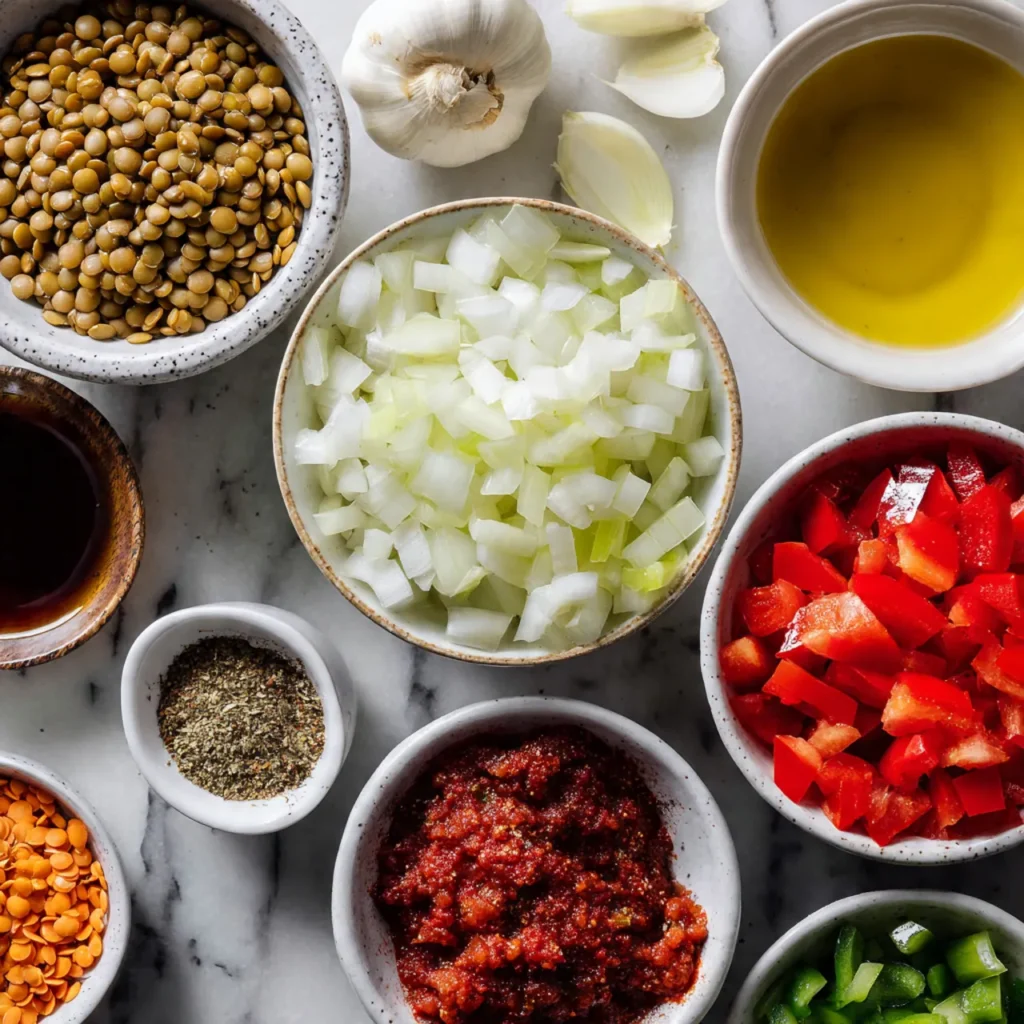
- 2 tablespoons olive oil
- 1 large onion, finely chopped
- 4 cloves garlic, minced
- 1 red bell pepper, diced
- 1 green bell pepper, diced
Protein & Beans
- 1 can (400g) black beans, drained and rinsed
- 1 can (400g) kidney beans, drained and rinsed
- 1 cup cooked lentils (or 1 can, drained)
Tomato Base
- 1 can (400g) crushed tomatoes
- 2 tablespoons tomato paste
- 2 cups vegetable broth
Spices & Flavor Builders
- 2 teaspoons chili powder
- 1 teaspoon smoked paprika
- 1 teaspoon cumin
- ½ teaspoon cayenne pepper (adjust to taste)
- 1 teaspoon oregano
- Salt and black pepper to taste
Optional Add-Ins
- 1 cup corn kernels (fresh or frozen)
- 1 teaspoon cocoa powder (for depth)
- 1 teaspoon maple syrup (balances acidity)
Step-by-Step Instructions
Step 1: Build the Aromatic Base (10 minutes)
Heat olive oil in a large pot over medium heat. Add chopped onion and cook for 5–6 minutes until softened. Stir in garlic and cook for another minute until fragrant. Add diced bell peppers and sauté for 3–4 minutes.
Chef’s Tip: Let the onions cook slowly until translucent rather than rushing this step, because properly softened onions release natural sweetness that balances the spice later.
Step 2: Toast the Spices (3–4 minutes)
Add chili powder, smoked paprika, cumin, cayenne, and oregano directly into the pot. Stir continuously for about 1–2 minutes until the spices bloom and become aromatic.
Chef’s Tip: Toasting spices in oil enhances their flavor intensity and prevents your chili from tasting flat, so don’t skip this step or rush through it.
Step 3: Create the Tomato Base (5 minutes)
Stir in tomato paste and cook for 1–2 minutes to deepen its flavor. Then add crushed tomatoes and vegetable broth. Mix well, scraping any bits from the bottom of the pot.
Chef’s Tip: Cooking tomato paste before adding liquids removes its raw taste and adds a richer, slightly caramelized depth to your chili.
Step 4: Add Beans and Lentils (5 minutes)
Add black beans, kidney beans, and lentils to the pot. Stir everything together until evenly combined.
Chef’s Tip: Using a mix of beans and lentils creates a more satisfying texture and boosts protein content, making your chili feel hearty without meat.
Step 5: Simmer and Develop Flavor (25–30 minutes)
Bring the chili to a gentle boil, then reduce heat and let it simmer uncovered for 25–30 minutes. Stir occasionally until the mixture thickens.
Chef’s Tip: A slow simmer allows flavors to meld together, so avoid high heat which can make the texture uneven and the taste less developed.
Step 6: Final Adjustments (5 minutes)
Stir in optional corn, cocoa powder, and maple syrup if using. Taste and adjust salt, pepper, and spice levels.

Chef’s Tip: A small amount of sweetness or cocoa balances acidity and spice, creating a more complex and well-rounded chili.
Nutritional Information (Per Serving)
| Nutrient | Amount |
| Calories | 320 kcal |
| Protein | 16 g |
| Carbohydrates | 45 g |
| Total Fat | 8 g |
| Fiber | 14 g |
| Sodium | 480 mg |
| Iron | 20% DV |
Why You’ll Love This Recipe
- This spicy vegan chili recipe delivers bold, smoky, and layered flavors using simple plant-based ingredients, making it both accessible and deeply satisfying for everyday cooking.
- You’ll appreciate how versatile it is, as it works just as well for quick dinners as it does for batch cooking and meal prep throughout the week.
- The combination of beans and lentils creates a hearty texture that mimics traditional chili without needing meat, making it filling and nutritious.
- It’s naturally budget-friendly, relying on pantry staples that are easy to find and store.
Common Mistakes to Avoid
- Skipping the spice-toasting step often leads to a dull chili because the spices never fully release their flavor, so always give them time to bloom in oil.
- Adding too much liquid at once can result in a watery texture, so stick to measured amounts and allow the chili to thicken gradually.
- Not simmering long enough prevents flavors from developing properly, which can make the chili taste one-dimensional instead of rich and complex.
- Overloading with heat too early can overpower the dish, so adjust spice levels gradually at the end rather than all at once.
Serving Suggestions
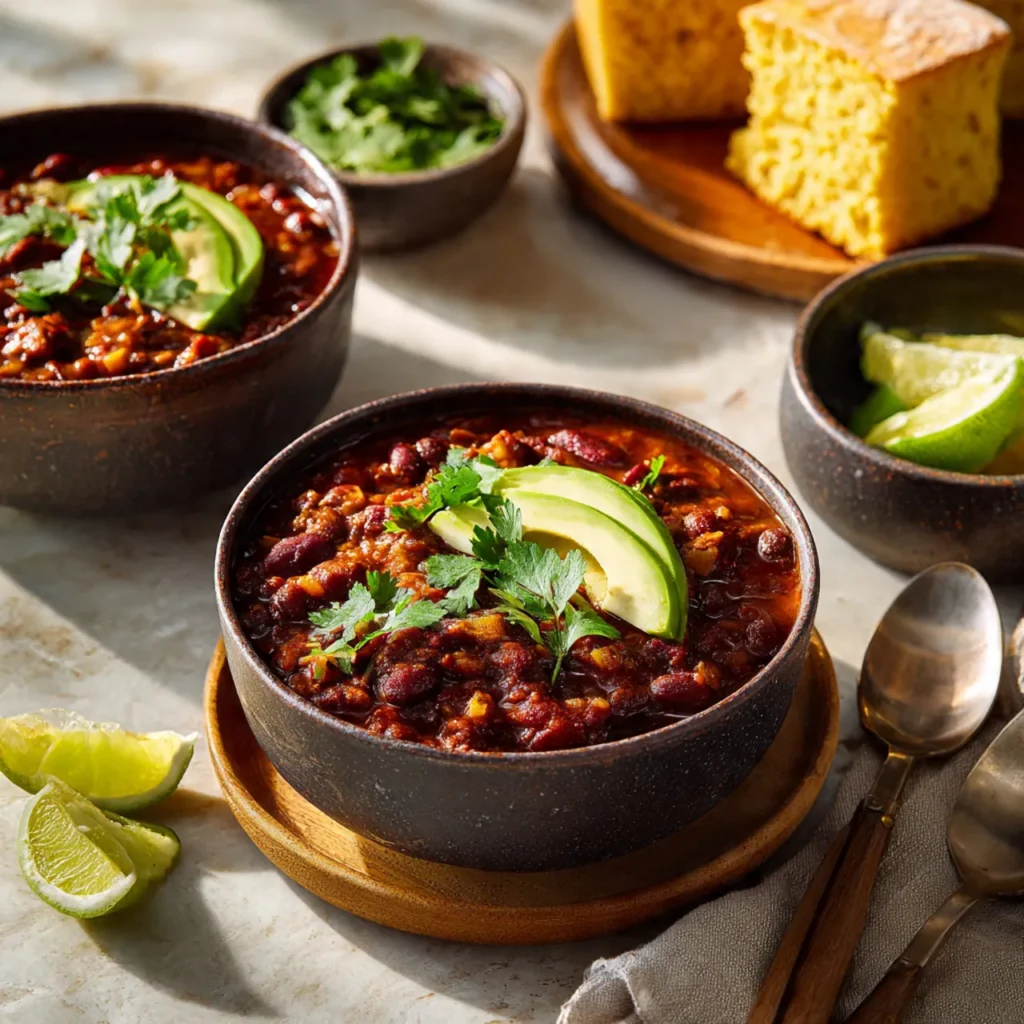
- Serve your chili in deep bowls topped with fresh cilantro, sliced avocado, and a squeeze of lime to add brightness and contrast to the rich flavors.
- Pair it with warm crusty bread or cornbread, which helps soak up the thick, flavorful sauce and makes the meal more satisfying.
- Spoon it over steamed rice or baked potatoes for a hearty variation that stretches the dish into multiple meals.
- Use leftovers as a filling for tacos or wraps, creating a completely new meal with minimal extra effort.
Healthier Alternatives and Ingredient Swaps
- Swap olive oil for a small amount of water or broth when sautéing if you want to reduce fat without sacrificing flavor.
- Replace canned beans with freshly cooked beans to lower sodium levels and improve overall texture.
- Use quinoa instead of lentils if you want a slightly lighter texture while still maintaining protein content.
- Reduce or omit maple syrup if you prefer a lower-sugar version, balancing acidity instead with finely grated carrots.
Storage and Meal Prep Tips
- Store cooled chili in an airtight container in the refrigerator for up to 4 days, allowing flavors to deepen over time.
- Freeze portions in individual containers for up to 3 months, making it easy to reheat for quick meals.
- Reheat gently on the stovetop with a splash of water or broth to maintain the right consistency.
- Prepare a large batch at the start of the week and portion it out with rice or grains for convenient, ready-to-eat meals.
Conclusion
This spicy vegan chili recipe works because it balances bold spices, hearty textures, and simple techniques that build deep flavor without complication. Once you master it, you can adjust heat, ingredients, and texture to suit your taste, making it a reliable staple in your kitchen.