
Soft Vegan Bread Recipe for Plant Based Baking
Warm, fluffy, and surprisingly simple, this soft vegan bread recipe gives you bakery-style results using everyday plant-based ingredients. You’ll love how it fits weeknight baking, meal prep, or weekend comfort cooking without complicated techniques.
Timing
- Prep Time: 15 minutes
- Rising Time: 1 hour 30 minutes
- Cook Time: 30 minutes
- Total Time: 2 hours 15 minutes
- Servings: 10 slices
Ingredients for Vegan Bread Recipe
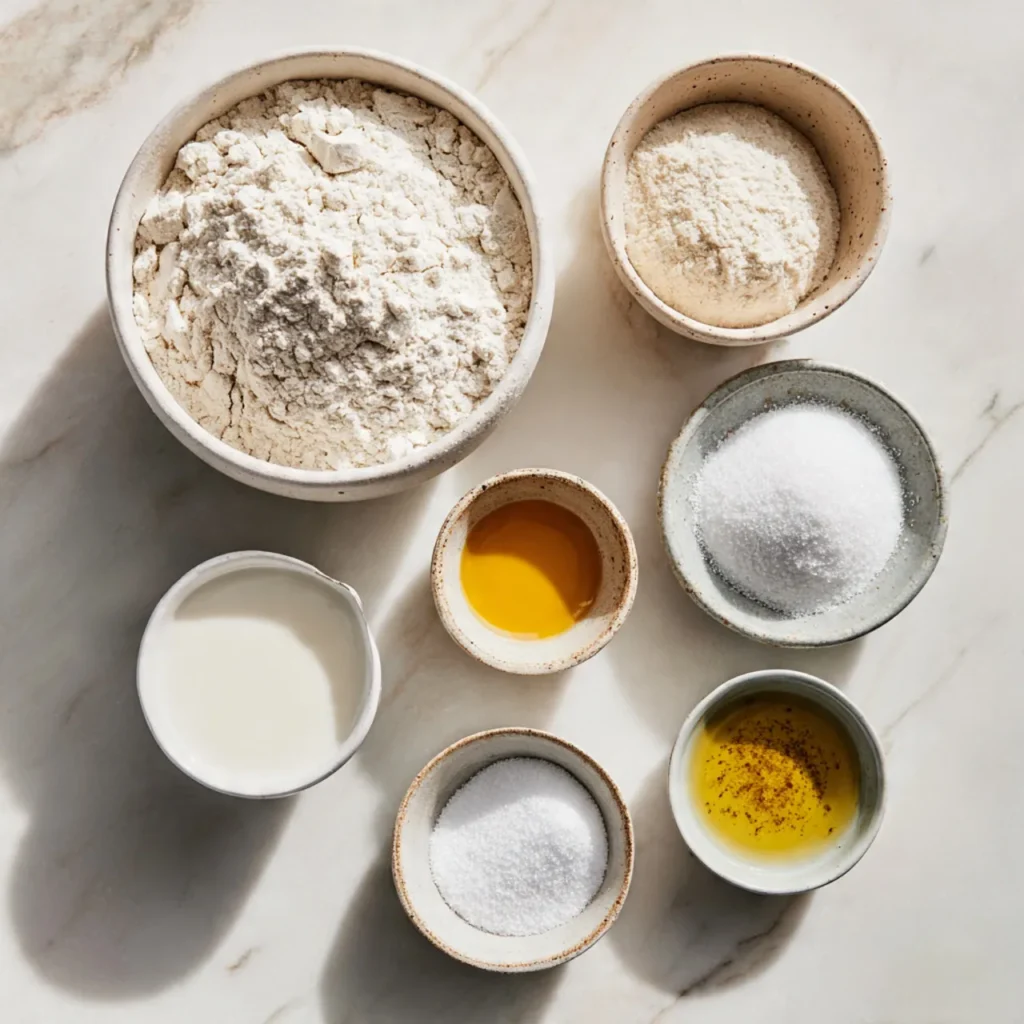
Dry Ingredients
- 3 cups all-purpose flour
- 1 teaspoon salt
- 1 tablespoon sugar
Yeast Mixture
- 2 ¼ teaspoons active dry yeast (1 packet)
- 1 cup warm water (about 38–40°C / 100–105°F)
Wet Ingredients
- 2 tablespoons olive oil (or any neutral oil)
- ½ cup unsweetened plant-based milk (almond, soy, or oat)
Step-by-Step Instructions
Step 1: Activate the Yeast (5–10 minutes)
In a small bowl, combine warm water, sugar, and yeast. Stir gently and let it sit for 5–10 minutes until it becomes foamy on top. This tells you the yeast is active and ready to help your bread rise.
Chef’s Tip: If your yeast doesn’t foam, your water may be too hot or too cold. Use comfortably warm water, not hot, to avoid killing the yeast and ensure a proper rise.
Step 2: Mix the Dough (10 minutes)
In a large mixing bowl, combine flour and salt. Add the activated yeast mixture, olive oil, and plant-based milk. Mix everything together until a rough dough forms.
Chef’s Tip: Don’t rush this step, mix until no dry flour remains. A well-combined dough ensures even texture and prevents dense patches in your finished bread.
Step 3: Knead the Dough (10 minutes)
Transfer the dough onto a lightly floured surface and knead it for about 8–10 minutes. You’re looking for a smooth, elastic texture that springs back slightly when pressed.
Chef’s Tip: If the dough feels sticky, add a little flour at a time. Too much flour will make the bread dense, so adjust gradually for the perfect balance.
Step 4: First Rise (1 hour)
Place the dough in a lightly greased bowl, cover it with a clean cloth, and let it rise in a warm place for about 1 hour or until doubled in size.
Chef’s Tip: A slightly warm oven (turned off) creates the perfect environment for rising, especially if your kitchen is cool. Consistent warmth helps develop better flavor and texture.
Step 5: Shape the Dough (10 minutes)
Punch down the risen dough to release air, then shape it into a loaf. Place it into a greased loaf pan, smoothing the top.
Chef’s Tip: Don’t skip punching down the dough, it redistributes yeast and prevents large air pockets, giving you a more even crumb structure.
Step 6: Second Rise (30 minutes)
Cover the loaf again and let it rise for another 25–30 minutes until it puffs up slightly above the pan.
Chef’s Tip: This second rise is key for softness. Skipping or shortening it will result in a tighter, less airy bread texture.
Step 7: Bake the Bread (30 minutes)
Preheat your oven to 180°C (350°F). Bake the bread for 25–30 minutes until golden brown on top and hollow-sounding when tapped.

Chef’s Tip: Brush the top with a little plant-based milk before baking for a softer crust and a beautiful golden finish.
Nutritional Information (Per Slice)
| Nutrient | Amount |
| Calories | 160 kcal |
| Protein | 4 g |
| Carbohydrates | 28 g |
| Total Fat | 3 g |
| Fiber | 2 g |
| Sugar | 2 g |
| Sodium | 180 mg |
Why You’ll Love This Recipe
- This soft vegan bread recipe uses simple pantry ingredients, making it accessible even if you’re new to plant-based baking and don’t want to invest in specialty items.
- You get a fluffy, tender crumb without eggs or dairy, proving that vegan baking can still deliver classic texture and flavor.
- The recipe is flexible enough for both sweet and savory uses, so you can adapt it for sandwiches, toast, or even homemade garlic bread.
- It’s beginner-friendly with clear steps, helping you build confidence while learning essential bread-making techniques.
Common Mistakes to Avoid
- Using water that’s too hot or too cold can prevent the yeast from activating properly, which leads to dense bread, so always aim for warm, not hot, water.
- Adding too much flour during kneading might make the dough easier to handle, but it results in dry, heavy bread instead of a soft texture.
- Skipping the second rise might seem like a time-saver, but it significantly affects the final fluffiness and structure of the bread.
- Baking at the wrong temperature can either dry out the bread or leave it undercooked, so always preheat your oven fully before baking.
Serving Suggestions
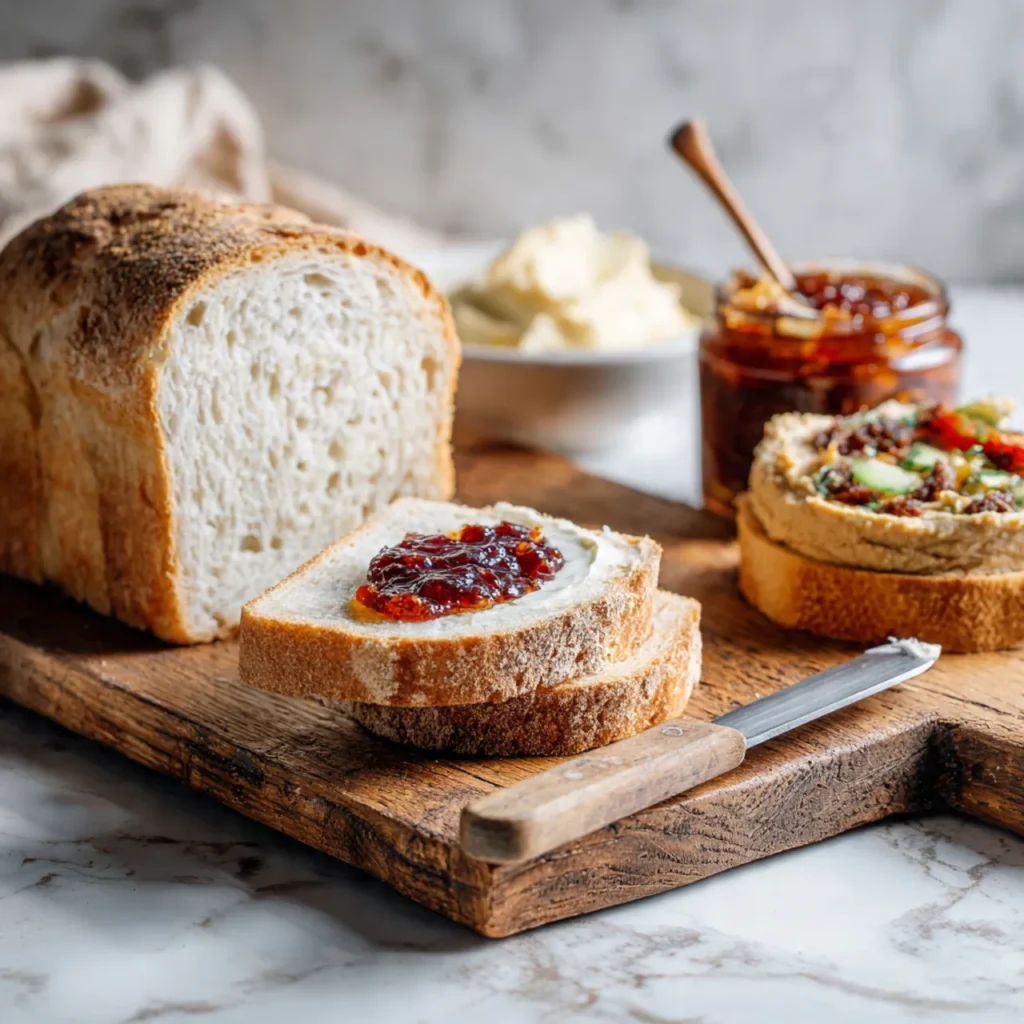
- Slice the bread warm and spread it with vegan butter or jam for a simple breakfast that highlights its soft texture and mild flavor.
- Use it as a base for sandwiches, pairing it with roasted vegetables, hummus, or plant-based proteins for a satisfying meal.
- Toast slices and top with avocado, seeds, or nut butter to create a balanced snack or quick lunch option.
- Turn leftover slices into vegan French toast or breadcrumbs to reduce waste while creating something equally delicious.
Healthier Alternatives and Ingredient Swaps
- Replace all-purpose flour with whole wheat flour for added fiber, though you may need to adjust liquid slightly to maintain softness.
- Use a sugar alternative like maple syrup or coconut sugar for a more natural sweetness while still feeding the yeast effectively.
- Swap olive oil with unsweetened applesauce to reduce fat content while keeping the bread moist.
- Choose fortified plant-based milk to boost nutrients like calcium and vitamin D in your final loaf.
Storage and Meal Prep Tips
- Store the bread in an airtight container at room temperature for up to 3 days to maintain its softness and prevent it from drying out.
- For longer storage, slice the loaf and freeze it, allowing you to toast individual pieces directly without thawing the entire loaf.
- Reheat slices in a toaster or oven instead of a microwave to preserve the texture and avoid sogginess.
- If you’re meal prepping, bake two loaves at once and freeze one to save time later while still enjoying fresh homemade bread.
Conclusion
This soft vegan bread recipe works because it balances simple ingredients with reliable techniques, giving you consistent, bakery-quality results at home. Once you master it, you can easily adapt flavors and textures to suit your style, making it a staple in your plant-based kitchen.