
Sticky Sushi Rice Recipe for Perfect Homemade Rolls
Perfectly sticky sushi rice is the foundation of great homemade sushi, giving your rolls that signature texture and balanced flavor. You’ll love how this recipe transforms simple rice into something glossy, seasoned, and ideal for weeknight sushi or special meals.
Timing
- Prep Time: 10 minutes
- Cook Time: 20 minutes
- Resting Time: 15 minutes
- Total Time: 45 minutes
- Servings: 4 (enough for 4–6 sushi rolls)
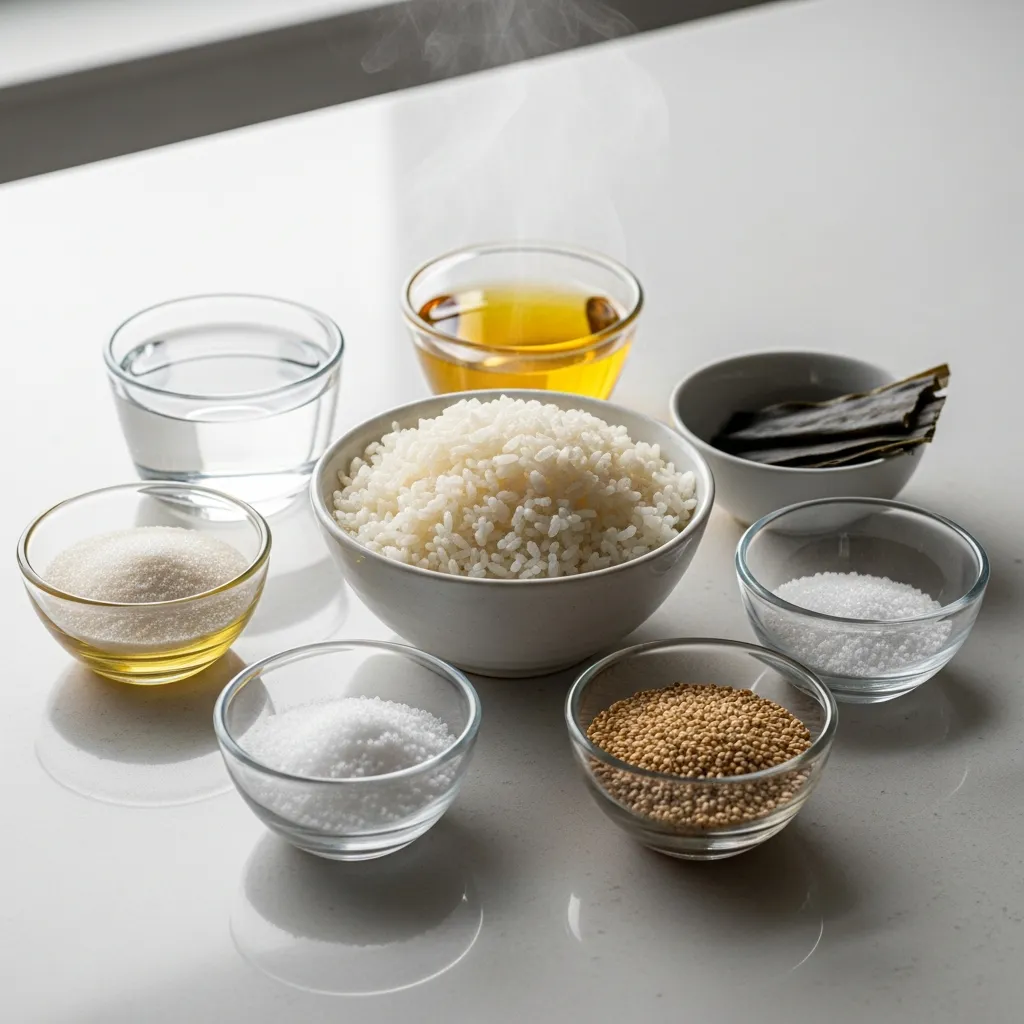
Ingredients for Sushi Rice Recipe
Rice Base
- 2 cups sushi rice (short-grain Japanese rice)
- 2 ½ cups water
Seasoning Mixture
- ¼ cup rice vinegar
- 2 tablespoons granulated sugar
- 1 teaspoon salt
Optional Enhancers
- 1 small piece kombu (dried seaweed, about 2–3 inches)
- 1 teaspoon sesame seeds (for garnish if desired)
Step-by-Step Instructions
1. Rinse the Rice Thoroughly
Place the sushi rice in a bowl and rinse it under cold water, gently swishing it with your hands. Drain and repeat this process 4–5 times until the water runs mostly clear. This takes about 5 minutes and removes excess starch that can make the rice gummy instead of perfectly sticky.
Chef’s Tip: Don’t rush this step. Proper rinsing ensures each grain stays defined while still clinging together, which is essential for shaping sushi without turning it mushy.
2. Soak the Rice Before Cooking
After rinsing, cover the rice with fresh water and let it soak for 15 minutes. This allows the grains to absorb moisture evenly, leading to better texture during cooking.
Chef’s Tip: Skipping soaking often leads to unevenly cooked rice, where the outside softens too quickly while the center stays firm. A short soak helps you avoid that inconsistency.
3. Cook the Rice to Perfection
Drain the soaking water and transfer the rice to a pot with 2 ½ cups fresh water. Add kombu if using. Bring it to a boil over medium heat, then reduce to low, cover, and cook for 15 minutes. Turn off the heat and let it sit covered for another 10 minutes.
Chef’s Tip: Resist lifting the lid while cooking. Trapped steam is what finishes the cooking process and creates that soft, cohesive texture you need for sushi rice.
4. Prepare the Sushi Vinegar
While the rice cooks, combine rice vinegar, sugar, and salt in a small saucepan. Heat gently over low heat for 2–3 minutes, stirring until the sugar dissolves completely. Do not boil.
Chef’s Tip: Keeping the mixture warm helps it blend smoothly into the rice later. If it’s too cold, it won’t distribute evenly and can create uneven flavor pockets.
5. Season the Rice Gently
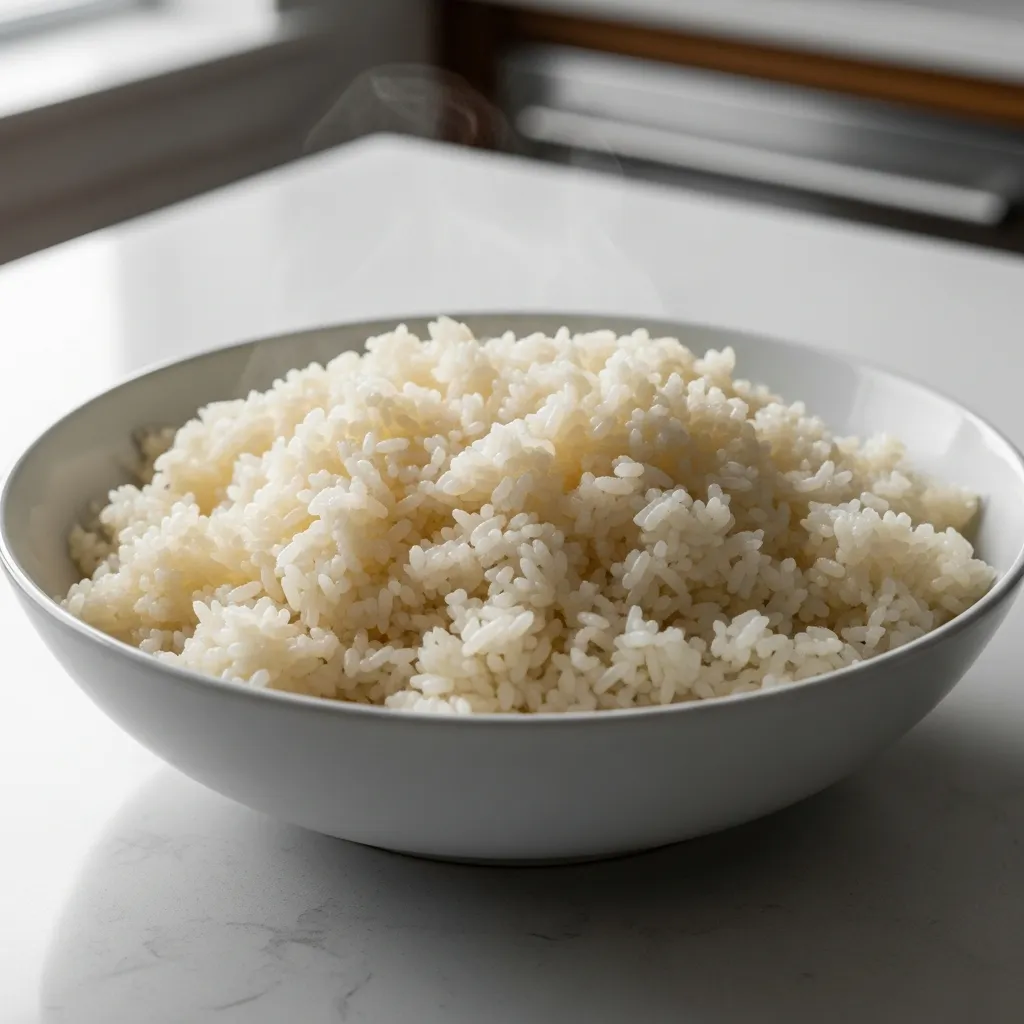
Transfer the cooked rice to a wide bowl or tray. Gradually drizzle the vinegar mixture over the rice while gently folding it in using a spatula. Use a slicing motion rather than stirring to avoid crushing the grains.
Chef’s Tip: Work slowly and carefully here. The goal is to coat every grain without smashing them, preserving that glossy, slightly sticky texture that defines sushi rice.
6. Cool the Rice Properly
Fan the rice while folding it gently for about 5–7 minutes until it reaches room temperature. This step gives the rice its signature sheen and helps it firm up slightly for easy handling.
Chef’s Tip: Avoid refrigerating the rice to cool it faster. Cold temperatures dry it out and ruin the texture, making it harder to roll and less enjoyable to eat.
Nutritional Information (Per Serving)
| Nutrient | Amount |
| Calories | 210 kcal |
| Protein | 4 g |
| Carbohydrates | 46 g |
| Total Fat | 0.5 g |
| Fiber | 1 g |
| Sodium | 150 mg |
| Sugar | 5 g |
Why You’ll Love This Recipe
- You get consistently sticky sushi rice that holds together beautifully, making it much easier to shape rolls or form nigiri without frustration.
- The balanced seasoning enhances the natural flavor of the rice without overpowering your sushi fillings.
- It uses simple pantry ingredients, so you don’t need specialty tools or hard-to-find items to achieve authentic results.
- The step-by-step method removes guesswork, giving you confidence even if it’s your first time making sushi rice.
Common Mistakes to Avoid
- Skipping the rinsing step often results in overly starchy rice that turns gluey instead of light and sticky. Taking a few extra minutes here makes a noticeable difference.
- Using the wrong type of rice, such as long-grain varieties, prevents the grains from sticking properly, which makes rolling sushi difficult.
- Overmixing the rice when adding seasoning can break the grains and create a mushy texture, so always use a gentle folding motion.
- Letting the rice cool completely without fanning can leave it dull and overly moist, missing that signature glossy finish.
Serving Suggestions
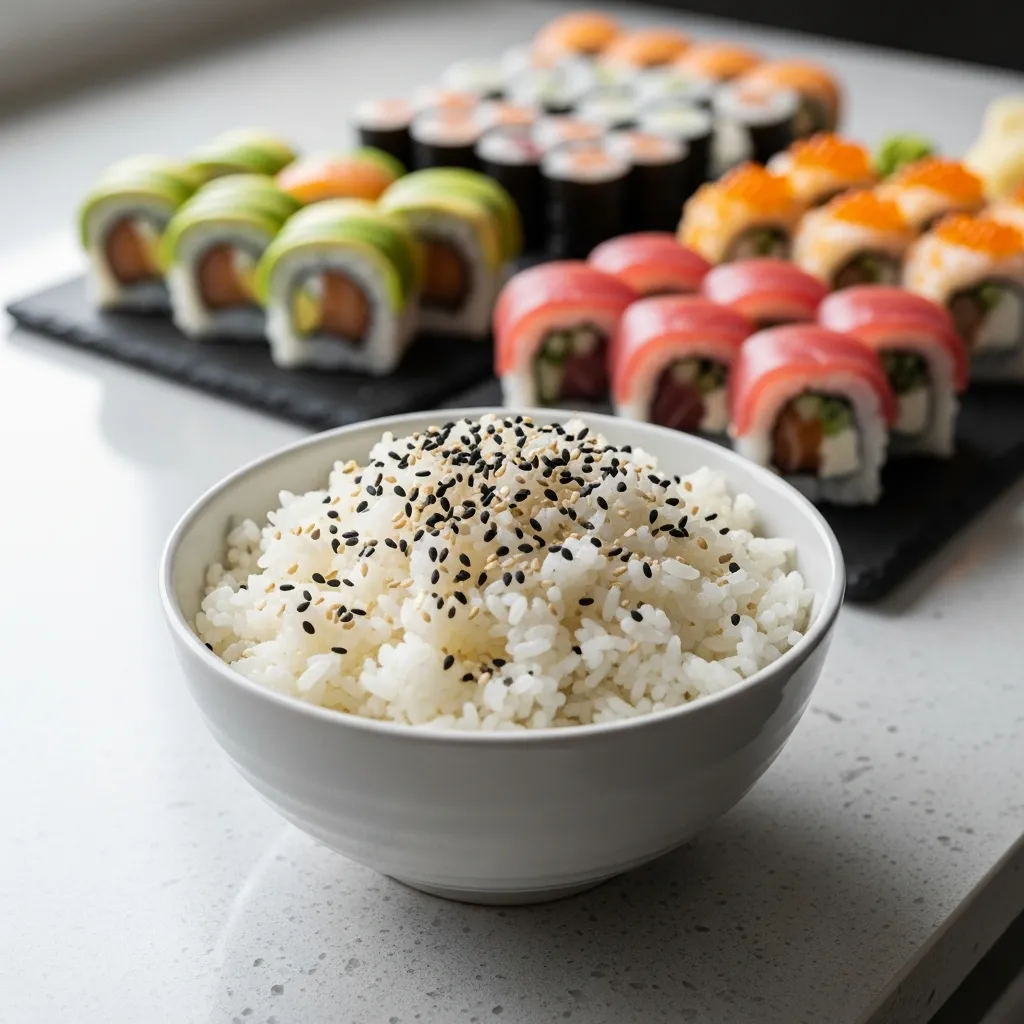
- Use the sticky sushi rice as the base for classic rolls filled with fresh vegetables, seafood, or cooked proteins, creating a balanced and satisfying meal.
- Shape the rice into small oval mounds and top with slices of fish or avocado for simple homemade nigiri that looks elegant and professional.
- Turn it into a sushi bowl by layering it with your favorite toppings like cucumber, carrots, and sauces for a quick and customizable option.
- Serve it alongside grilled dishes or as a side for a Japanese-inspired meal, where its subtle seasoning complements bold flavors.
Healthier Alternatives and Ingredient Swaps
- Replace white sushi rice with brown short-grain rice for added fiber and nutrients, though you’ll need slightly more water and cooking time.
- Reduce the sugar in the vinegar mixture if you prefer a lighter taste, while still maintaining the essential tangy balance.
- Use a natural sweetener like honey or maple syrup as a substitute for sugar to create a more wholesome version of the seasoning.
- Lower the sodium content by slightly reducing the salt and balancing the flavor with a bit more vinegar for brightness.
Storage and Meal Prep Tips
- Store leftover sushi rice in an airtight container at room temperature for up to one day, as refrigeration can harden the grains and affect texture.
- If you must refrigerate it, gently reheat with a damp cloth in the microwave to restore some moisture and softness.
- Prepare the rice a few hours in advance and keep it covered with a damp towel to maintain its ideal texture until you’re ready to use it.
- Avoid freezing sushi rice, as the freezing process breaks down the grain structure and results in an unpleasant texture when thawed.
Conclusion
Sticky sushi rice is more than just a base, it’s the element that ties your entire dish together. When you follow these steps carefully, you end up with rice that’s glossy, flavorful, and easy to work with. Once you master it, you can adapt it to any sushi style or even create your own variations with confidence.