
Rustic Ratatouille Recipe for Classic French Vegetable Dishes
Sun-ripened vegetables, slow-cooked with olive oil and herbs, turn into something deeply comforting in this rustic ratatouille recipe. You’ll love it for weeknight dinners, meal prep, or when you want a simple yet elegant French vegetable dish.
Timing
- Prep Time: 20 minutes
- Cook Time: 45 minutes
- Total Time: 1 hour 5 minutes
- Servings: 4 servings
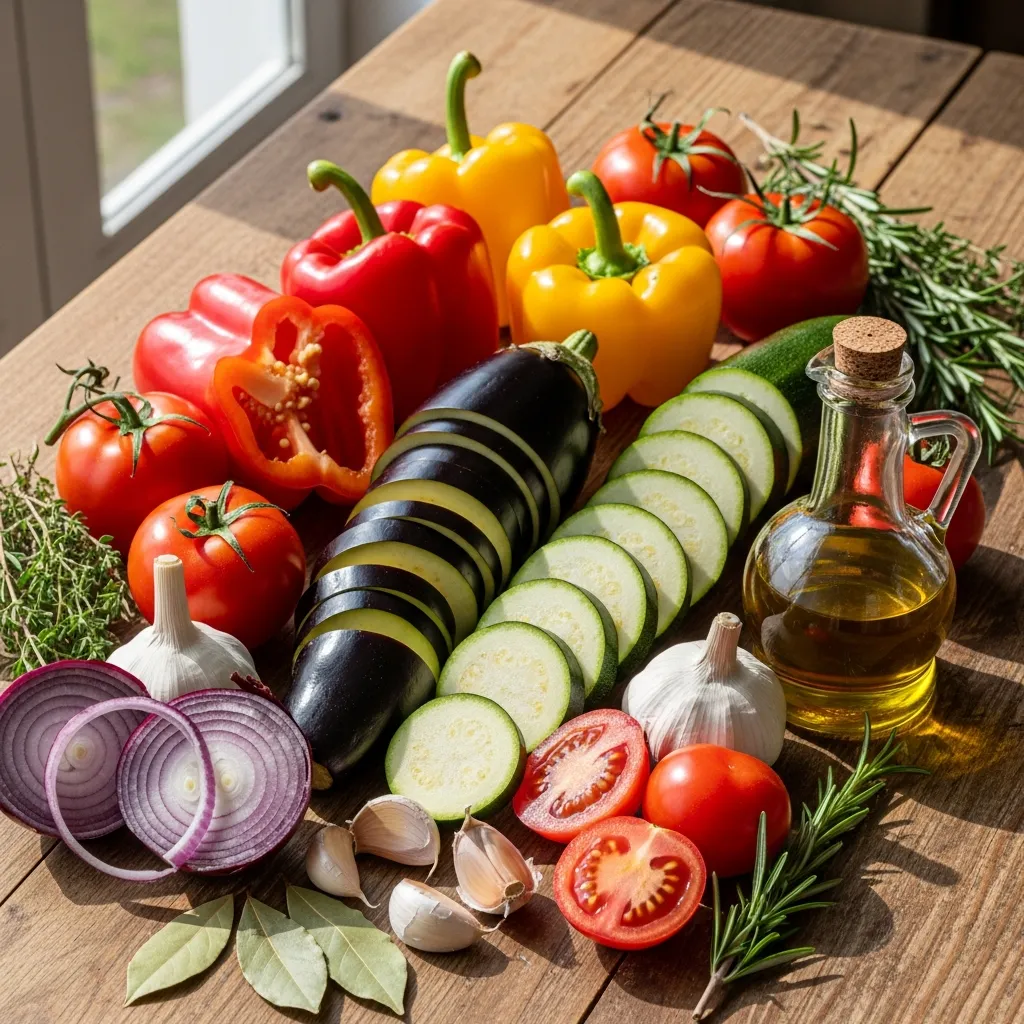
Ingredients for Ratatouille Recipe
Fresh Vegetables
- 1 medium eggplant, diced into 1-inch cubes
- 2 medium zucchinis, sliced into rounds
- 1 red bell pepper, chopped
- 1 yellow bell pepper, chopped
- 1 large onion, finely chopped
- 4 medium tomatoes, chopped (or 1 can crushed tomatoes, 400g)
- 3 cloves garlic, minced
Flavor Base
- 3 tablespoons olive oil
- 1 tablespoon tomato paste
- 1 teaspoon salt (adjust to taste)
- ½ teaspoon black pepper
Herbs & Seasoning
- 1 teaspoon dried thyme
- 1 teaspoon dried oregano
- 1 bay leaf
- Fresh basil leaves for garnish
Step-by-Step Instructions
Step 1: Prep Your Vegetables
Start by washing and chopping all your vegetables into evenly sized pieces. This takes about 15–20 minutes, but it ensures even cooking and a balanced texture in your ratatouille.
Uniform cuts matter because uneven chunks will cook at different rates, leaving some mushy while others stay undercooked.
Chef’s Tip: Take your time with cutting the eggplant. If the pieces are too small, they will break down too much and lose their texture during cooking.
Step 2: Cook the Eggplant First
Heat 1 tablespoon of olive oil in a large pan over medium heat. Add the diced eggplant and cook for 8–10 minutes until it softens and turns slightly golden.
Eggplant acts like a sponge, soaking up oil and flavor, so cooking it first helps build depth in the dish.
Chef’s Tip: Avoid overcrowding the pan while cooking eggplant. If needed, cook in batches so it browns instead of steaming.
Step 3: Sauté the Aromatics
In the same pan, add another tablespoon of olive oil. Add the chopped onion and cook for 5 minutes until translucent, then stir in the garlic and cook for 1 minute.
This step creates the flavor base of your rustic ratatouille recipe, and properly cooked aromatics make a huge difference.
Chef’s Tip: Keep the heat moderate when cooking garlic. High heat can burn it quickly, leaving a bitter taste in your dish.
Step 4: Add Bell Peppers and Zucchini
Add the chopped bell peppers and zucchini to the pan. Cook for 8–10 minutes, stirring occasionally, until they begin to soften.
This stage layers textures, allowing each vegetable to maintain its character while blending into the dish.
Chef’s Tip: Stir gently instead of aggressively. You want the vegetables to hold their shape rather than break apart.
Step 5: Build the Sauce
Stir in the chopped tomatoes (or canned tomatoes) and tomato paste. Add salt, pepper, thyme, oregano, and the bay leaf. Mix well and bring to a gentle simmer.
This is where your ratatouille transforms into a cohesive dish, with the tomatoes binding everything together.
Chef’s Tip: If your tomatoes taste too acidic, add a small pinch of sugar to balance the flavor without overpowering the dish.
Step 6: Simmer and Finish
Return the cooked eggplant to the pan. Reduce heat to low and let everything simmer for 20–25 minutes, stirring occasionally.
Slow cooking allows the vegetables to meld into a rich, hearty texture while preserving their individual flavors.
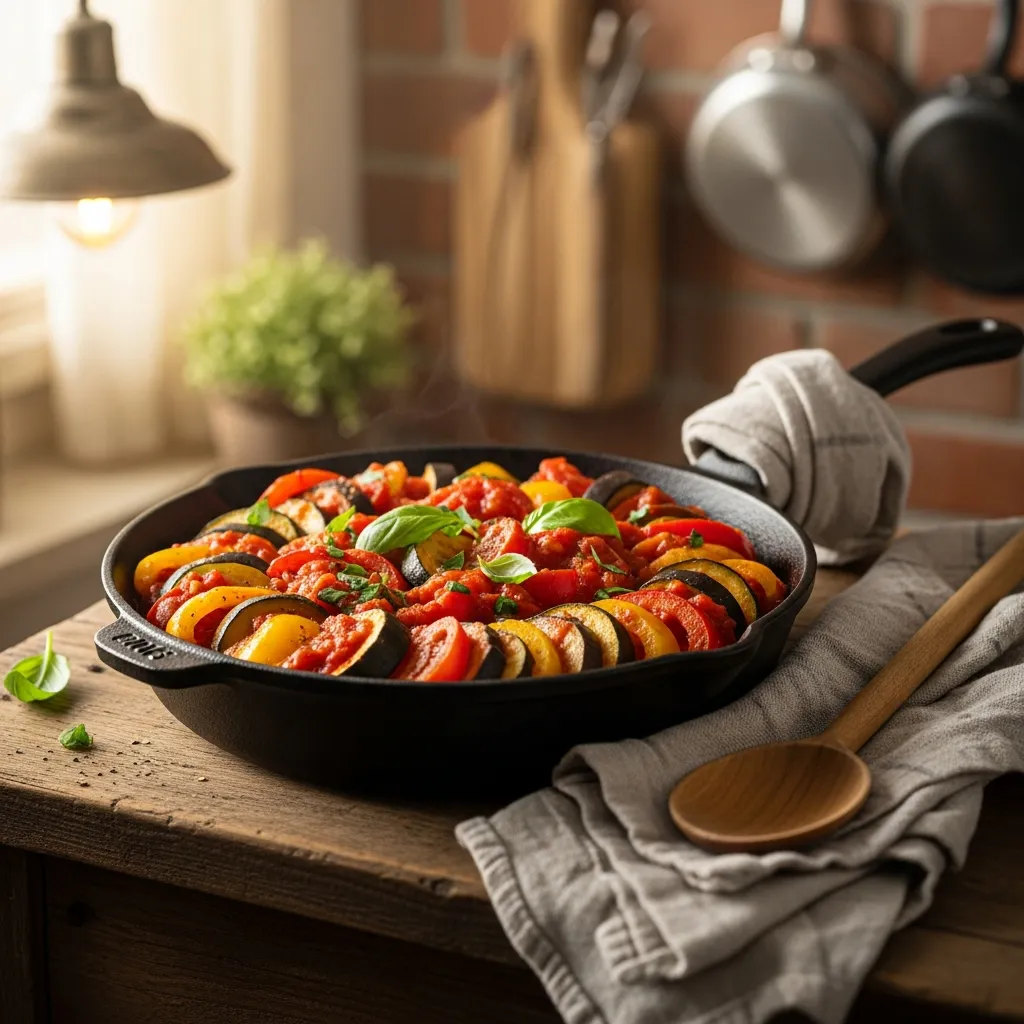
Chef’s Tip: Don’t rush this step. A slow simmer is what gives ratatouille its signature depth and rustic character.
Nutritional Information (Per Serving)
| Nutrient | Amount |
| Calories | 180 kcal |
| Protein | 4 g |
| Carbohydrates | 18 g |
| Total Fat | 10 g |
| Fiber | 6 g |
| Sugar | 8 g |
| Sodium | 400 mg |
Why You’ll Love This Recipe
- You get a deeply flavorful dish using simple, everyday vegetables, making this rustic ratatouille recipe both accessible and satisfying without needing complicated techniques.
- It works beautifully as a main dish or a side, giving you flexibility whether you’re cooking a quick dinner or planning a more elaborate meal.
- The slow-cooked vegetables create a rich, comforting texture that feels hearty yet still light and healthy.
- It’s naturally vegetarian and easy to adapt, so you can confidently serve it to a wide range of dietary preferences.
- The flavors actually improve over time, meaning leftovers taste even better the next day, making it perfect for meal prep.
Common Mistakes to Avoid
- Cutting vegetables unevenly often leads to inconsistent cooking, where some pieces turn mushy while others stay firm, so always aim for similar sizes.
- Cooking everything at once might seem easier, but it results in steaming rather than sautéing, which prevents proper flavor development.
- Skipping the eggplant pre-cooking step can leave it undercooked or rubbery, which affects the overall texture of the dish.
- Using high heat during simmering can cause the vegetables to break down too quickly, turning the dish into a mush instead of a rustic stew.
- Under-seasoning is common because vegetables release water, so always taste and adjust seasoning toward the end.
Serving Suggestions
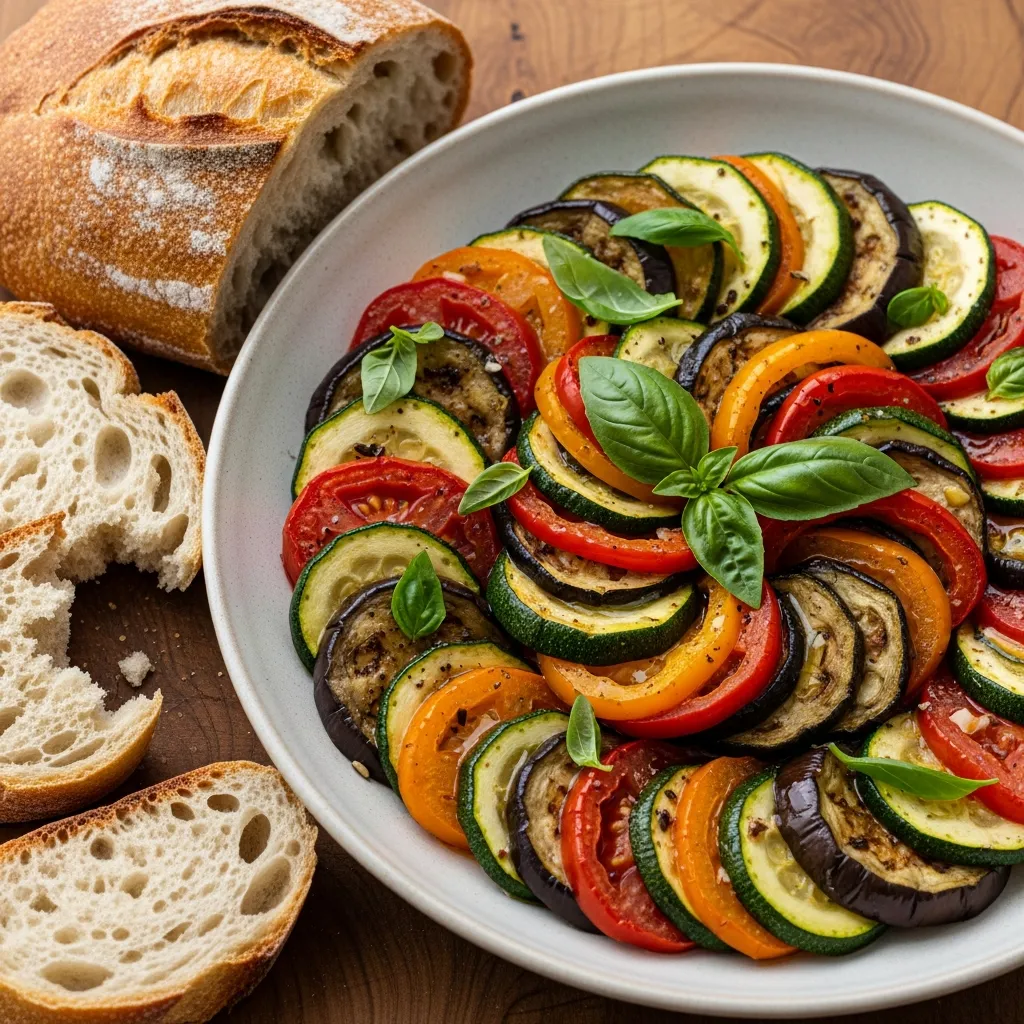
- Serve your rustic ratatouille warm with crusty bread, allowing the bread to soak up the flavorful juices for a simple yet satisfying meal.
- Spoon it over cooked rice, quinoa, or pasta to turn it into a more filling main dish that still feels light and fresh.
- Pair it with grilled chicken or fish if you want to add protein while keeping the dish balanced and elegant.
- Use it as a topping for toasted baguette slices to create a rustic appetizer that looks impressive but is easy to prepare.
- Add a fried or poached egg on top for a hearty breakfast or brunch option that feels both comforting and refined.
Healthier Alternatives and Ingredient Swaps
- Replace some of the olive oil with vegetable broth to reduce fat content while still maintaining moisture and flavor during cooking.
- Use low-sodium canned tomatoes if you are watching your salt intake, allowing you to control seasoning more precisely.
- Add mushrooms for extra texture and umami, which can make the dish feel more substantial without adding extra calories.
- Swap regular pasta or bread sides with whole grain options to increase fiber and make the meal more nutritionally balanced.
- If you prefer a lower-carb version, serve the ratatouille over cauliflower rice while still enjoying all the flavors.
Storage and Meal Prep Tips
- Store leftover ratatouille in an airtight container in the refrigerator for up to 4 days, allowing the flavors to deepen over time.
- Reheat gently on the stovetop over low heat, adding a splash of water or broth to loosen the texture if it thickens too much.
- You can freeze ratatouille for up to 2 months, but keep in mind that the vegetables may soften slightly after thawing.
- Prepare vegetables ahead of time and store them separately in the fridge to make cooking faster on busy days.
- This dish is ideal for batch cooking since it reheats well and pairs easily with different sides throughout the week.
Conclusion
This rustic ratatouille recipe proves that simple ingredients can create something truly memorable when handled with care. You build flavor step by step, letting each vegetable shine while blending into a comforting, classic French dish. Once you master the basics, you can easily adjust ingredients, textures, and serving styles to make it completely your own.
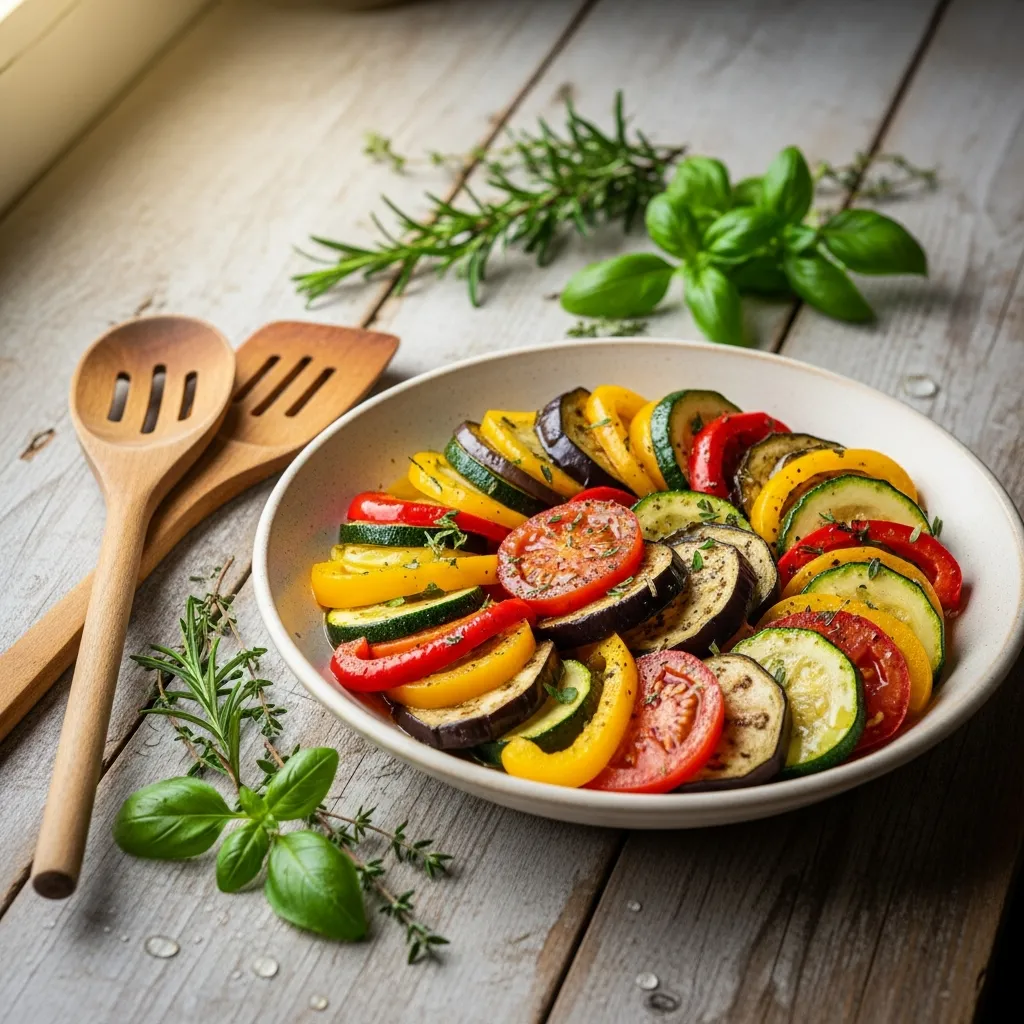
Rustic Ratatouille Recipe
Ingredients
Method
- Chop all vegetables into evenly sized pieces to ensure they cook uniformly and create a balanced texture throughout the dish.
- Cook eggplant in olive oil until softened and lightly browned, which helps it absorb flavor and prevents it from becoming rubbery later.
- Sauté onion and garlic until fragrant and translucent, building a strong flavor base for the entire recipe.
- Add bell peppers and zucchini, cooking until slightly tender while maintaining their shape and structure.
- Stir in tomatoes, tomato paste, and seasonings, allowing everything to combine into a cohesive sauce.
- Return eggplant to the pan and simmer gently until all vegetables are tender and flavors are fully developed.
Notes
- Always cook vegetables in stages instead of all at once, as this helps develop deeper flavor and prevents steaming.
- Taste your dish toward the end of cooking and adjust salt and seasoning carefully to balance acidity and sweetness.
- Let the dish rest for a few minutes before serving so the flavors settle and become more pronounced.
- Use fresh herbs at the end rather than during cooking to maintain their bright, fresh aroma.