Creamy Mashed Potatoes Recipe for Classic Comfort Sides
Few side dishes deliver the same cozy satisfaction as a bowl of creamy mashed potatoes. Rich, fluffy, and buttery, this classic comfort side pairs beautifully with everything from weeknight dinners to holiday feasts, making it a dependable recipe you’ll return to often.
Timing
- Prep Time: 15 minutes
- Cook Time: 20 minutes
- Total Time: 35 minutes
- Servings: 6 servings
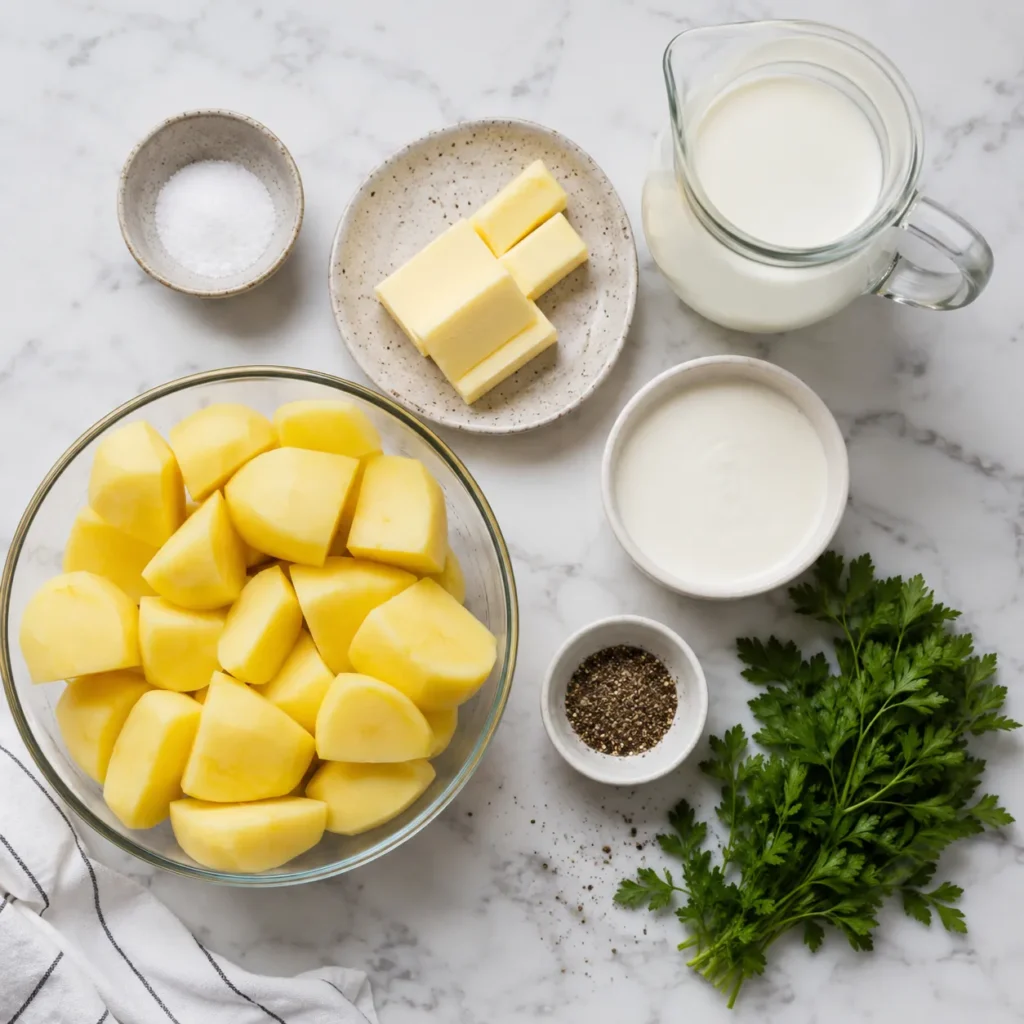
Ingredients for Mashed Potatoes Recipe
For the Potatoes
- 2 pounds Yukon Gold potatoes, peeled and cut into chunks
- 1 teaspoon salt (for cooking water)
For Creamy Texture
- ½ cup whole milk, warmed
- ¼ cup heavy cream, warmed
- 4 tablespoons unsalted butter, softened
For Seasoning
- 1 teaspoon kosher salt, or to taste
- ½ teaspoon black pepper
- 2 tablespoons chopped fresh parsley (optional garnish)
How to Make Creamy Mashed Potatoes
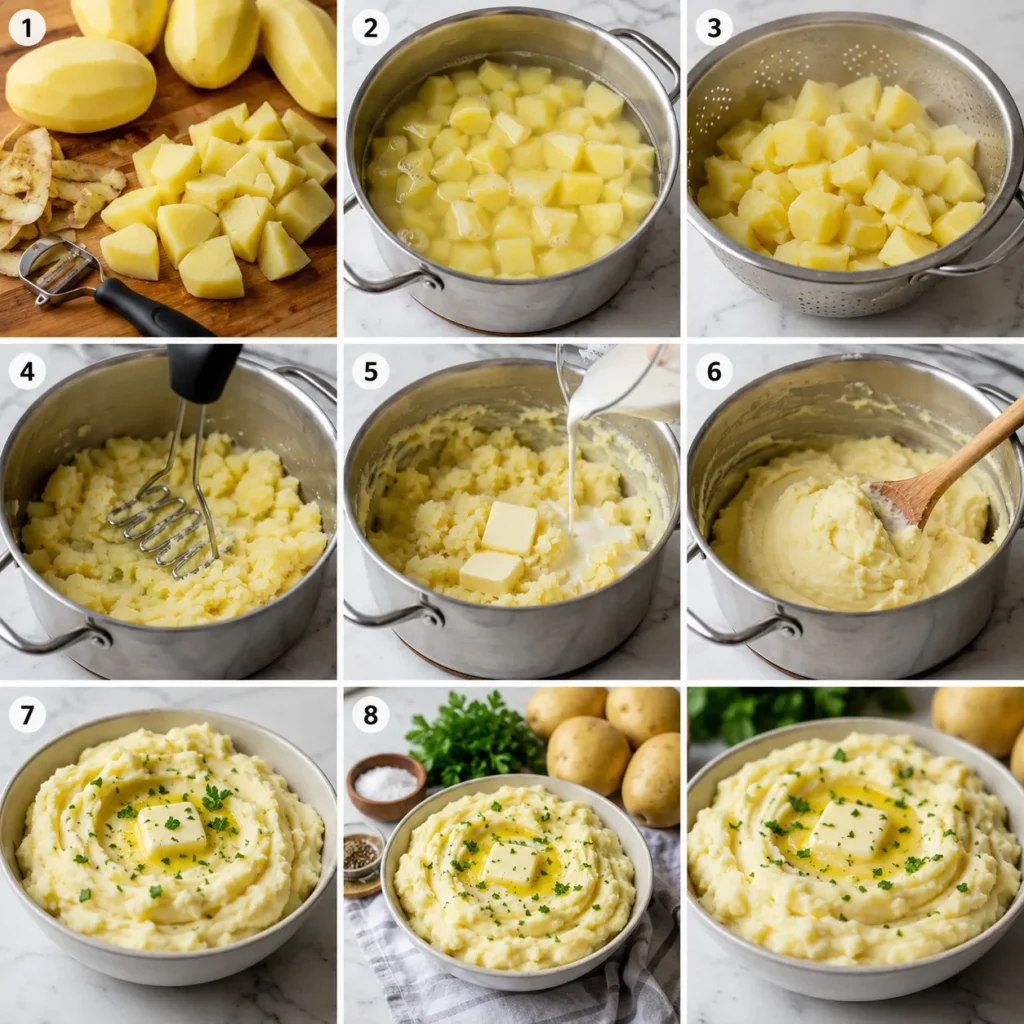
Step 1: Prepare and Boil the Potatoes
Peel the potatoes and cut them into evenly sized chunks, about 1½ to 2 inches each. Place them in a large pot and cover with cold water. Add 1 teaspoon salt and bring to a boil over medium-high heat. Cook for 15–18 minutes until the potatoes are fork-tender and break apart easily when pierced.
Starting with cold water helps the potatoes cook evenly from the center outward, preventing undercooked pieces.
Chef’s Tip: Avoid cutting the potatoes into uneven sizes because smaller pieces cook faster and can become waterlogged while larger chunks remain firm. Consistent sizing creates an even texture throughout the finished mashed potatoes.
Step 2: Drain and Dry the Potatoes
Drain the cooked potatoes thoroughly using a colander. Return them to the hot pot and place the pot over low heat for 1–2 minutes while gently stirring. This removes excess moisture trapped inside the potatoes.
Dry potatoes absorb butter and cream more effectively, giving you a richer and fluffier mash instead of a watery one.
Chef’s Tip: Moisture is one of the biggest reasons mashed potatoes turn gluey or thin. Allowing the potatoes to steam dry briefly concentrates their natural flavor and creates a much creamier result.
Step 3: Mash the Potatoes
Remove the pot from the heat. Use a potato masher to mash the potatoes until mostly smooth. Work slowly and avoid overmixing.
You can leave a few small lumps if you enjoy a rustic texture, or continue mashing for a smoother consistency.
Chef’s Tip: Never use a blender or food processor for mashed potatoes. The blades break down the starches too aggressively, creating a sticky texture instead of the light and fluffy consistency you want.
Step 4: Add Butter First
Add the softened butter to the hot potatoes and stir until completely melted and incorporated. The butter coats the potato starches and creates a rich foundation before any liquid is added.
This step enhances both flavor and texture.
Chef’s Tip: Adding butter before milk and cream helps the potatoes absorb fat more effectively. This creates a silkier texture and prevents the potatoes from becoming gummy.
Step 5: Mix in Warm Milk and Cream
Slowly pour in the warmed milk and cream while stirring gently. Continue adding until the potatoes reach your desired consistency. Some people prefer thicker mashed potatoes while others enjoy a softer, creamier texture.
The warm liquids blend smoothly into the potatoes without cooling them down.
Chef’s Tip: Cold dairy ingredients can lower the temperature of the potatoes and make them dense. Warming the milk and cream beforehand helps maintain a smooth and fluffy texture.
Step 6: Season and Serve
Add the remaining salt and black pepper. Taste and adjust seasoning as needed. Transfer the creamy mashed potatoes to a serving bowl and garnish with fresh parsley if desired.
Serve immediately while hot for the best flavor and texture.
Chef’s Tip: Always taste before serving because different potato varieties absorb salt differently. A final seasoning adjustment can make the difference between bland potatoes and perfectly balanced comfort food.
Nutritional Information
Approximate values per serving.
| Nutrient | Amount |
| Calories | 240 |
| Protein | 4g |
| Carbohydrates | 30g |
| Total Fat | 12g |
| Saturated Fat | 7g |
| Fiber | 3g |
| Sugar | 2g |
| Sodium | 390mg |
| Potassium | 690mg |
| Calcium | 55mg |
Why You’ll Love This Recipe
- These creamy mashed potatoes use simple pantry ingredients, making them an affordable and reliable side dish that fits into everyday family meals as well as special occasions.
- The combination of butter, milk, and cream creates a rich texture without requiring complicated techniques, so even beginners can achieve restaurant-quality results.
- This recipe is highly adaptable because you can easily adjust the consistency, seasoning, or add-ins to suit your personal preferences and menu.
- Yukon Gold potatoes naturally provide a buttery flavor and creamy texture, helping you create excellent mashed potatoes without extra effort.
- The recipe pairs well with roasted meats, vegetables, holiday dinners, and comfort-food classics, making it one of the most versatile side dishes you can prepare.
Common Mistakes to Avoid
- Using the wrong potato variety can affect the final texture. Waxy potatoes tend to stay firm and dense, while Yukon Gold or Russet potatoes produce a softer and fluffier mash.
- Adding cold milk or cream directly to the potatoes can cool them down and create a heavier consistency. Always warm dairy ingredients before mixing them in.
- Overmixing the potatoes releases too much starch and can result in a gluey texture. Mash only until smooth and combined.
- Skipping the drying step after draining leaves excess water inside the potatoes, which can dilute flavor and create watery mashed potatoes.
- Underseasoning is very common because potatoes absorb a significant amount of salt. Taste frequently and adjust seasoning before serving.
Serving Suggestions
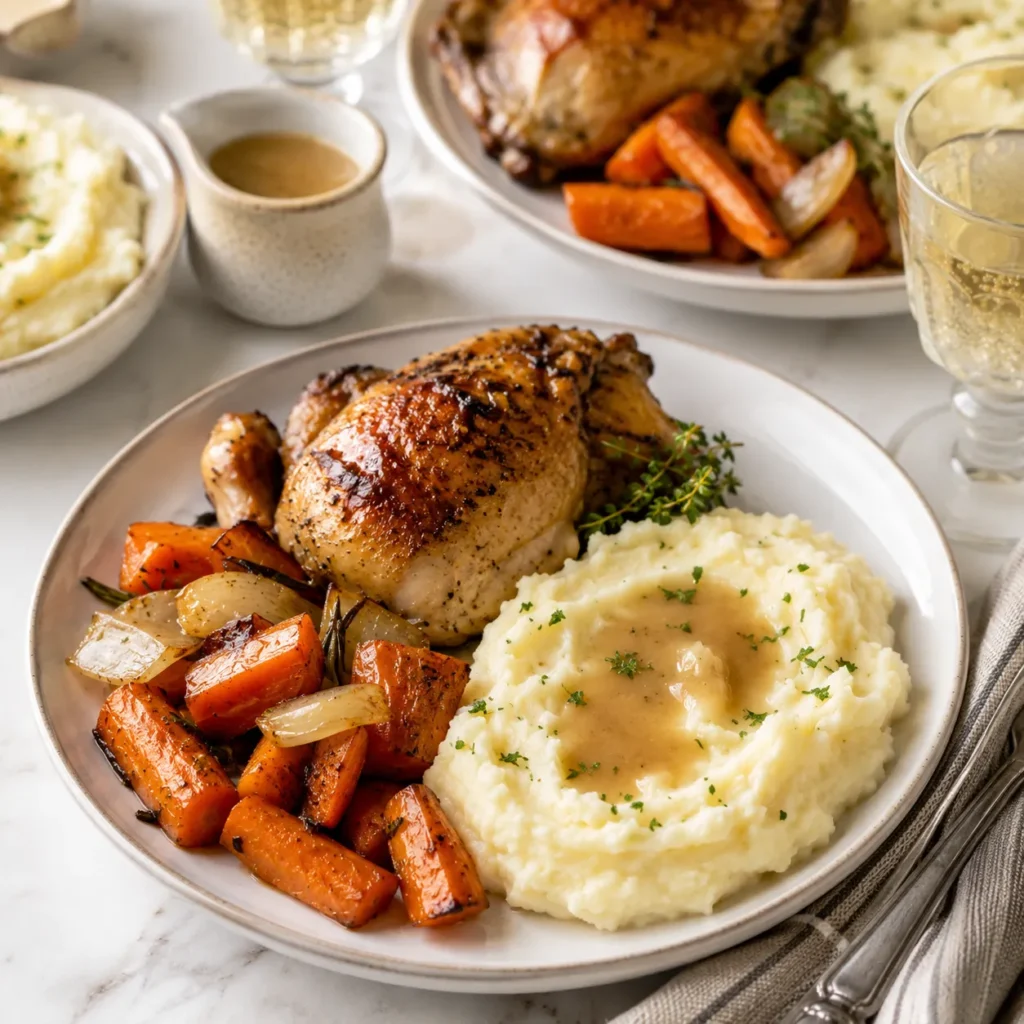
- Serve these creamy mashed potatoes alongside roast chicken, turkey, or beef because they absorb savory pan juices and gravy exceptionally well.
- Pair them with grilled vegetables and sautéed greens for a comforting vegetarian meal that feels hearty and satisfying.
- Use leftover mashed potatoes as a topping for shepherd’s pie, where they create a golden and flavorful crust after baking.
- Create a comforting dinner bowl by serving the potatoes with meatballs, gravy, and steamed vegetables for a complete meal.
- Add a generous spoonful beneath braised short ribs or pot roast to create an elegant presentation that highlights both the sauce and the potatoes.
Healthier Alternatives and Ingredient Swaps
- Replace the heavy cream with additional milk or unsweetened plain Greek yogurt to reduce calories while maintaining a creamy texture.
- Use olive oil instead of butter for a lighter version that still provides richness and smooth consistency.
- Substitute low-fat milk for whole milk if you want to reduce fat while keeping the potatoes soft and flavorful.
- Leave some potato skins on for additional fiber, nutrients, and a rustic appearance that many people enjoy.
- For dairy-free mashed potatoes, use plant-based butter and unsweetened oat milk, which provide a creamy consistency without traditional dairy products.
Storage and Meal Prep Tips
- Store leftover mashed potatoes in an airtight container in the refrigerator for up to 4 days to maintain freshness and flavor.
- Reheat gently on the stovetop or in the microwave with a splash of milk to restore the creamy texture and prevent dryness.
- If preparing ahead for a gathering, make the potatoes one day in advance and reheat them slowly before serving.
- Freeze mashed potatoes in portion-sized containers for up to 2 months. Thaw overnight in the refrigerator before reheating.
- Stir in a little warm butter or milk during reheating to refresh the texture and bring back the rich, creamy consistency.
Conclusion
This creamy mashed potatoes recipe delivers everything you want in a classic comfort side dish: rich flavor, fluffy texture, and simple preparation. By using the right potatoes, warming your dairy, and avoiding common mistakes, you can consistently create smooth, buttery mashed potatoes that complement countless meals. Once you’ve mastered the basic recipe, you can easily customize it with your favorite seasonings and mix-ins to make it uniquely yours.