
Soft Moist Homemade Lemon Cake Recipe From Scratch
A moist homemade lemon cake recipe from scratch is a bright, fresh dessert that balances sweet and tangy flavors beautifully. You’ll love how simple ingredients create a soft, fluffy cake with real lemon flavor. It’s perfect for spring gatherings, afternoon tea, birthdays, or whenever you want a refreshing homemade dessert.
Timing
- Prep Time: 15 minutes
- Cook Time: 35 minutes
- Total Time: 50 minutes
- Servings: 8 slices
Ingredients
For the Lemon Cake Batter
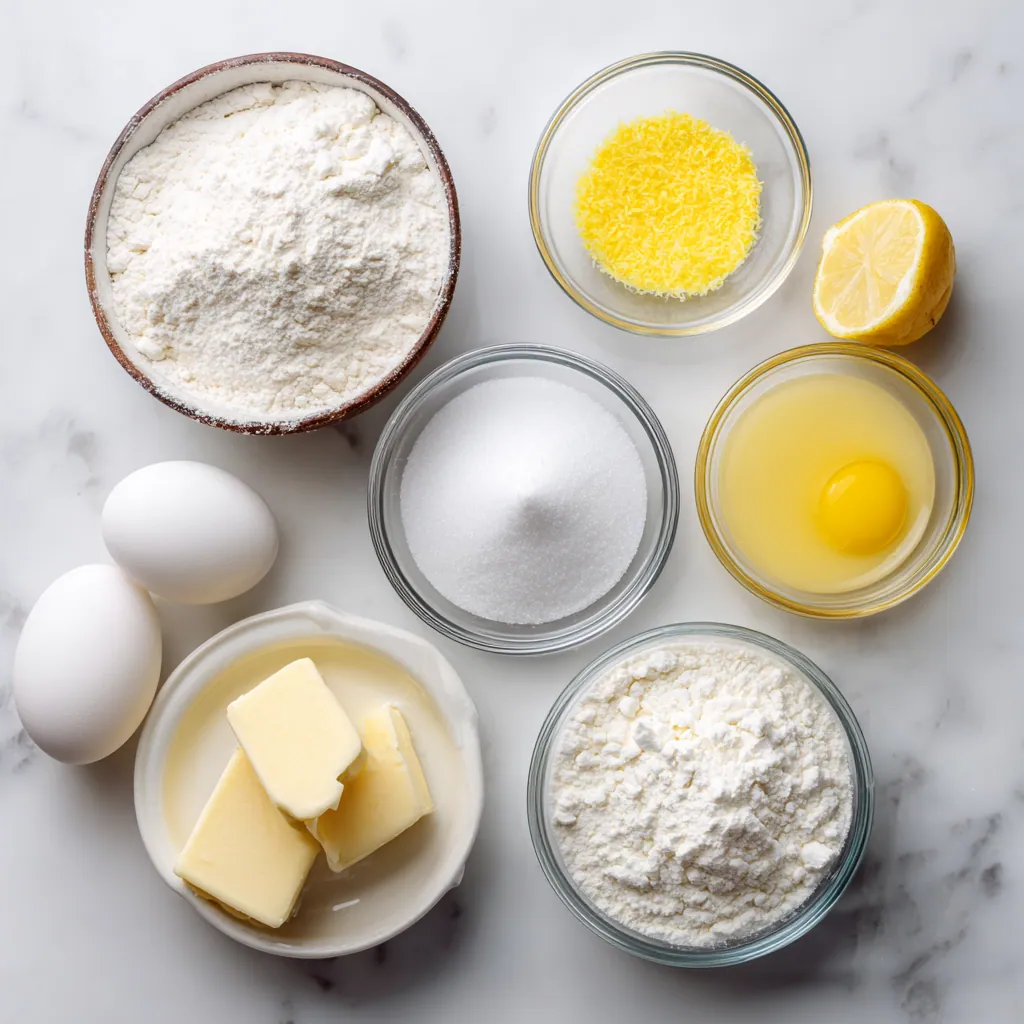
- 1 ½ cups all-purpose flour
- 1 cup granulated sugar
- 2 large eggs, room temperature
- ½ cup unsalted butter, melted
- ½ cup whole milk
- 2 tablespoons fresh lemon juice
- 1 tablespoon lemon zest
- 1 ½ teaspoons baking powder
- ½ teaspoon salt
- 1 teaspoon vanilla extract
For the Simple Lemon Glaze
- 1 cup powdered sugar
- 2 tablespoons fresh lemon juice
- 1 teaspoon lemon zest
Step 1: Prepare the Baking Pan and Oven
Start by preheating your oven to 350°F (175°C). Grease an 8-inch round cake pan with butter and lightly dust it with flour so the cake releases easily later.
Preparing the pan first ensures the batter can go straight into the oven once mixed. This helps the cake rise evenly because the baking powder activates immediately after mixing.
Chef’s Tip: Always bring eggs and milk to room temperature before mixing. This helps the batter combine smoothly and creates a lighter cake texture.
Step 2: Mix the Dry Ingredients
In a large white mixing bowl, whisk together flour, baking powder, and salt for about 30 seconds. This evenly distributes the leavening so the cake rises consistently.
Mixing dry ingredients first prevents clumps of baking powder from forming in the batter. When everything is evenly combined, the cake bakes with a soft and even crumb.
Chef’s Tip: If your flour looks slightly compacted, quickly sift it before mixing. This adds air and helps keep the cake light.
Step 3: Combine the Wet Ingredients
In another bowl, whisk together eggs, sugar, melted butter, milk, lemon juice, lemon zest, and vanilla extract for about 1–2 minutes until the mixture looks smooth and slightly creamy.
This step builds the base flavor of the cake. Fresh lemon juice and zest provide the bright citrus taste, while butter and eggs give richness and structure.
Chef’s Tip: Rub the lemon zest gently with the sugar before mixing. This releases natural lemon oils and makes the cake more aromatic.
Step 4: Combine Wet and Dry Ingredients
Pour the wet mixture into the bowl with the dry ingredients. Gently whisk until the batter becomes smooth and lump-free, which takes about 45–60 seconds.
Mixing just until combined prevents overworking the flour. Overmixing can develop gluten, which makes cakes dense instead of tender. The finished batter should look slightly thick but pourable.
Chef’s Tip: Stop mixing as soon as the batter is smooth. A few tiny lumps are better than an overmixed batter.
Step 5: Bake the Lemon Cake
Place the cake pan into the preheated oven and bake for 32–35 minutes. The cake is ready when the top looks lightly golden and a toothpick inserted in the center comes out clean.
During baking, the heat activates the baking powder and sets the cake structure. The lemon aroma will start filling your kitchen as the cake cooks.
Chef’s Tip: Avoid opening the oven door during the first 25 minutes. Sudden temperature drops can cause the cake to sink.
Step 6: Prepare and Add the Lemon Glaze
Let the cake cool in the pan for 10 minutes, then transfer it to a wire rack. While it cools, whisk together powdered sugar, lemon juice, and lemon zest until smooth.
Drizzle the glaze over the slightly warm cake so it gently soaks into the surface, adding extra moisture and lemon flavor.
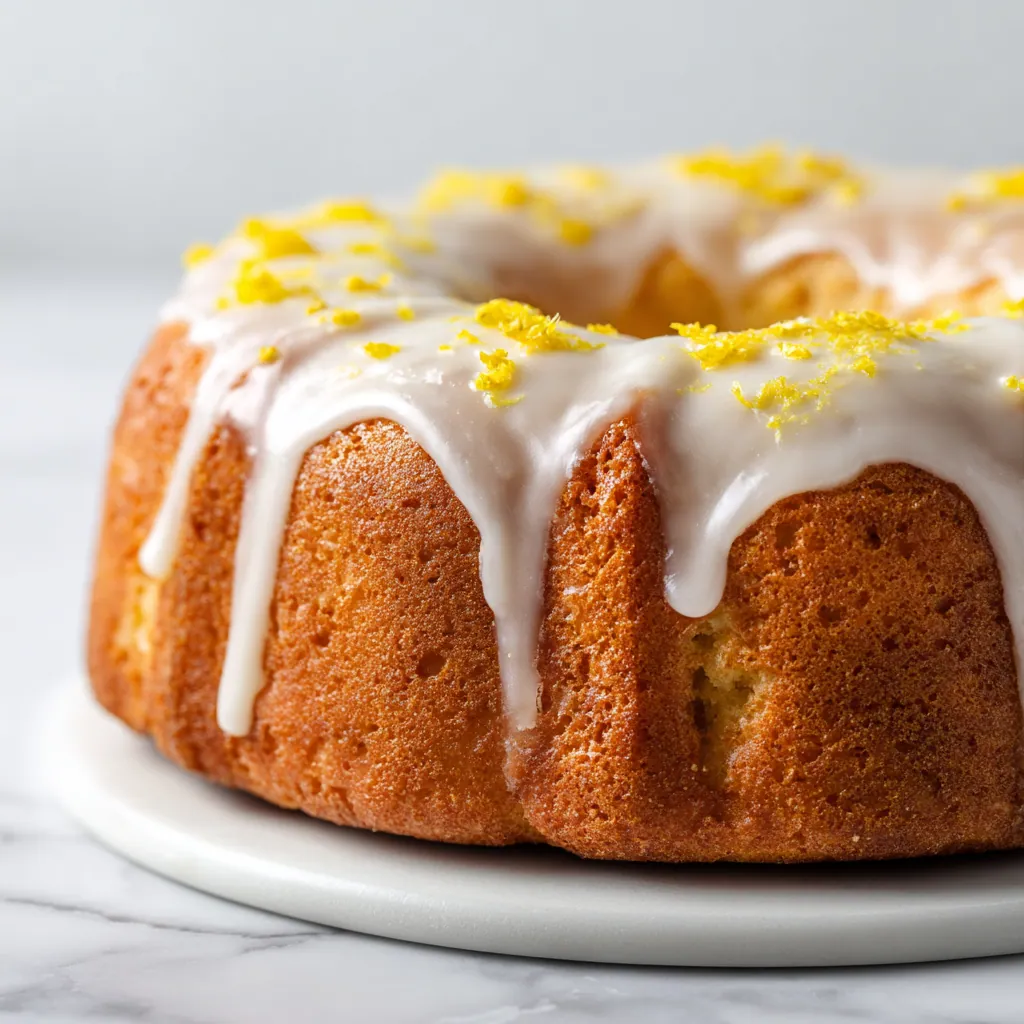
Chef’s Tip: If you want a thicker glaze, add more powdered sugar one tablespoon at a time.
Nutrition (Per Serving)
| Nutrient | Amount |
|---|---|
| Calories | 310 kcal |
| Carbohydrates | 42 g |
| Protein | 5 g |
| Fat | 13 g |
| Sugar | 25 g |
| Sodium | 180 mg |
Why You’ll Love This Recipe
- Bright, fresh citrus flavor from real lemon juice and zest
- Soft, moist cake texture that stays tender for days
- Simple pantry ingredients you likely already have
- Easy recipe perfect for beginner bakers
- Works well for tea time, brunch, or light desserts
Common Mistakes to Avoid
- Overmixing the batter: This makes the cake dense. Mix just until combined.
- Using cold ingredients: Cold eggs and milk prevent proper mixing and reduce volume.
- Skipping lemon zest: Zest adds strong natural lemon flavor that juice alone cannot provide.
- Overbaking the cake: Always test with a toothpick to prevent dryness.
Serving Suggestions
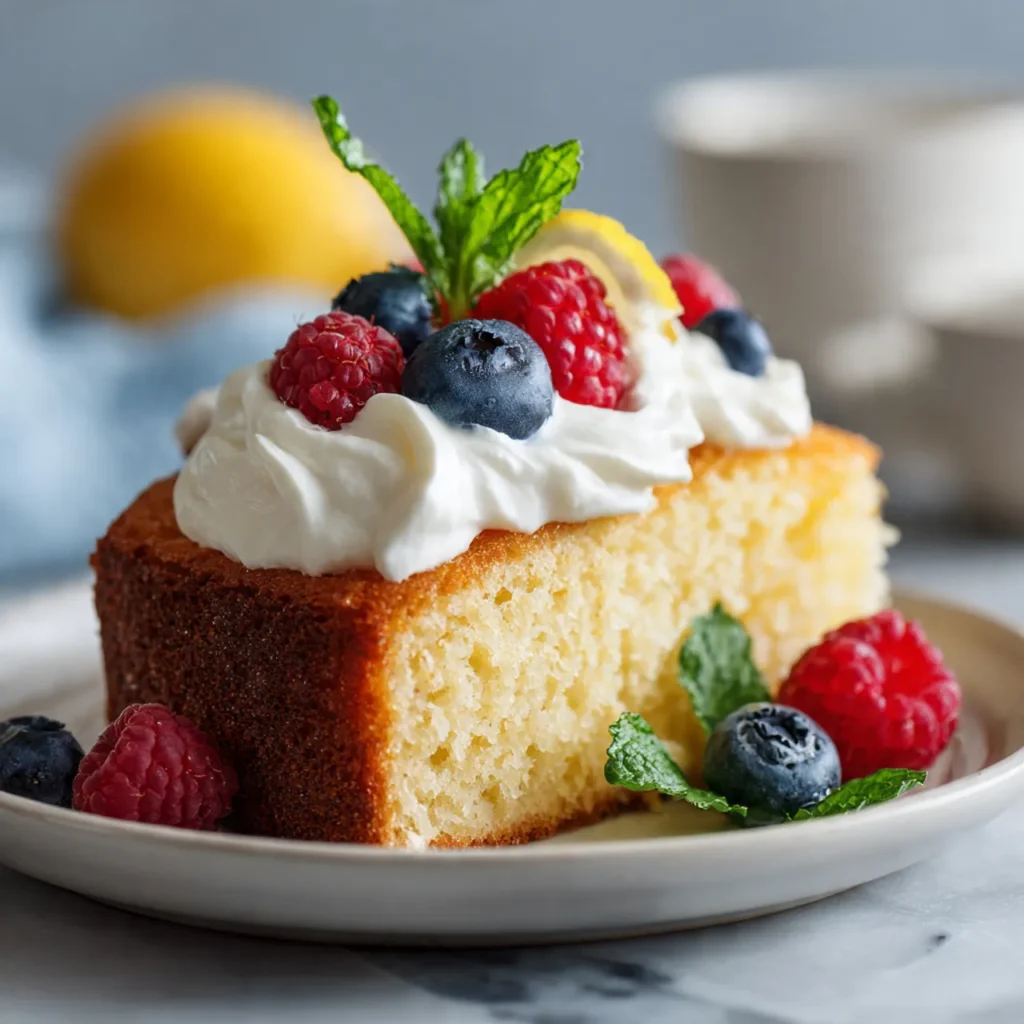
- Serve with fresh berries and whipped cream for a light dessert.
- Pair with afternoon tea or coffee for a simple treat.
- Add a scoop of vanilla ice cream for a richer dessert option.
- Slice and serve at spring gatherings or brunch tables.
Healthier Alternatives and Ingredient Swaps
- Replace half the flour with whole wheat flour for extra fiber.
- Use Greek yogurt instead of butter for a lighter texture.
- Substitute honey or maple syrup for part of the sugar.
- Use plant-based milk for a dairy-free version.
Storage and Meal Prep Tips
- Store the cake in an airtight container at room temperature for 2 days.
- Refrigerate for up to 5 days to keep the glaze fresh.
- Freeze slices individually for up to 2 months.
- Warm slightly before serving to restore softness.
Conclusion
This moist homemade lemon cake recipe from scratch proves that simple ingredients can create a bakery-quality dessert in your own kitchen. The bright citrus flavor, soft crumb, and sweet glaze make every bite refreshing. Once you try it, you can easily adjust the sweetness or glaze to make the recipe your own.

Moist Homemade Lemon Cake Recipe From Scratch
Ingredients
Method
- Mix dry ingredients.
- Whisk wet ingredients.
- Combine into batter.
- Bake until golden, then drizzle with lemon glaze.
Notes
- Use fresh lemons for the best flavor and aroma.
- Room temperature ingredients help the batter mix smoothly and create a softer texture.
- Do not overmix the batter, or the cake may turn dense.
- Check doneness with a toothpick to avoid overbaking and dryness.