
Spicy Cajun Shrimp Recipe for Bold Seafood Flavor
Cajun shrimp delivers the kind of smoky heat and buttery seafood flavor that turns a quick dinner into something memorable. You get juicy shrimp coated in bold Cajun seasoning, cooked fast in one skillet, making this recipe perfect for busy weeknights, casual gatherings, or flavorful meal prep.
Timing
- Prep Time: 15 minutes
- Cook Time: 10 minutes
- Total Time: 25 minutes
- Servings: 4 servings
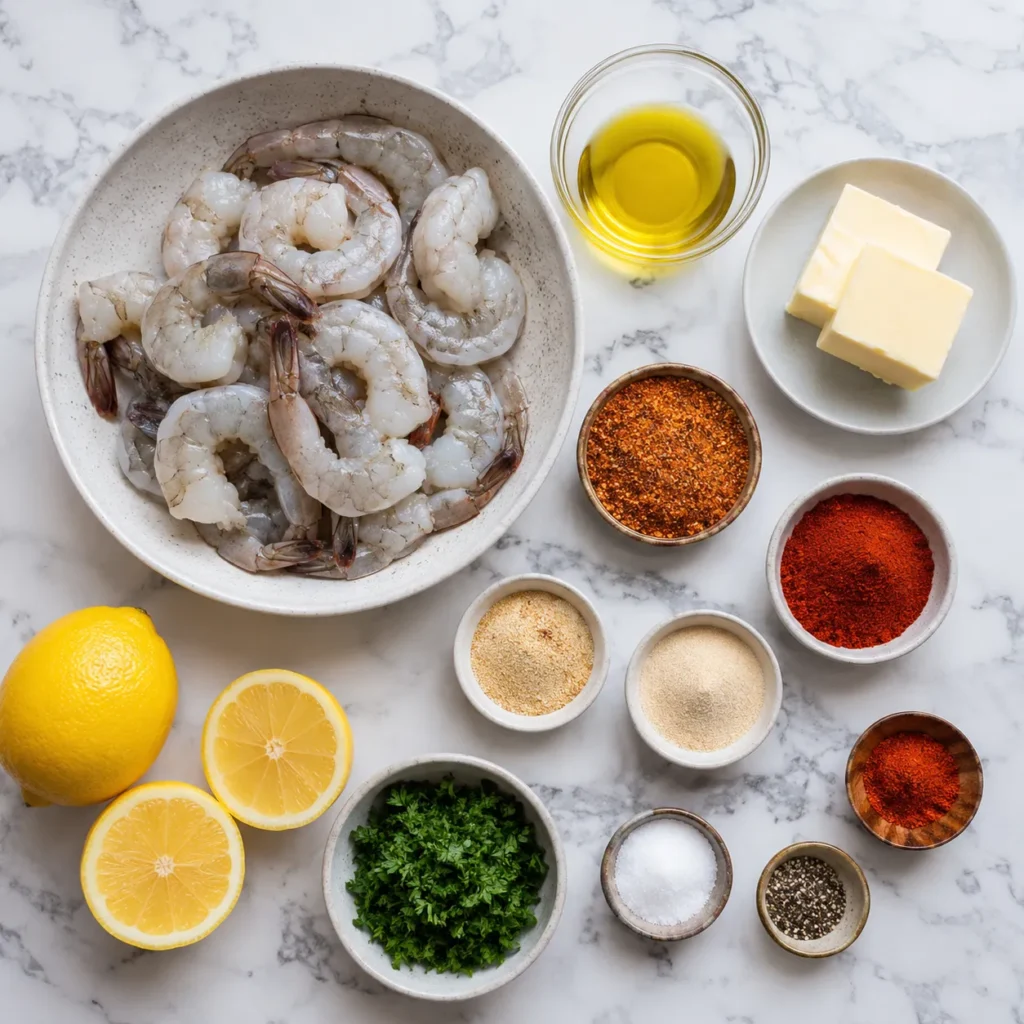
Ingredients for Cajun Shrimp Recipe
For the Cajun Shrimp
- 1 pound large shrimp, peeled and deveined
- 1 tablespoon olive oil
- 2 tablespoons unsalted butter
- 1 tablespoon Cajun seasoning
- 1 teaspoon smoked paprika
- 1/2 teaspoon garlic powder
- 1/2 teaspoon onion powder
- 1/4 teaspoon cayenne pepper (adjust to taste)
- 1/2 teaspoon salt
- 1/4 teaspoon black pepper
- 4 garlic cloves, minced
- 1 tablespoon fresh lemon juice
For Garnish and Serving
- 1 tablespoon chopped fresh parsley
- Lemon wedges
- Cooked rice, pasta, or crusty bread for serving
How to Make Spicy Cajun Shrimp
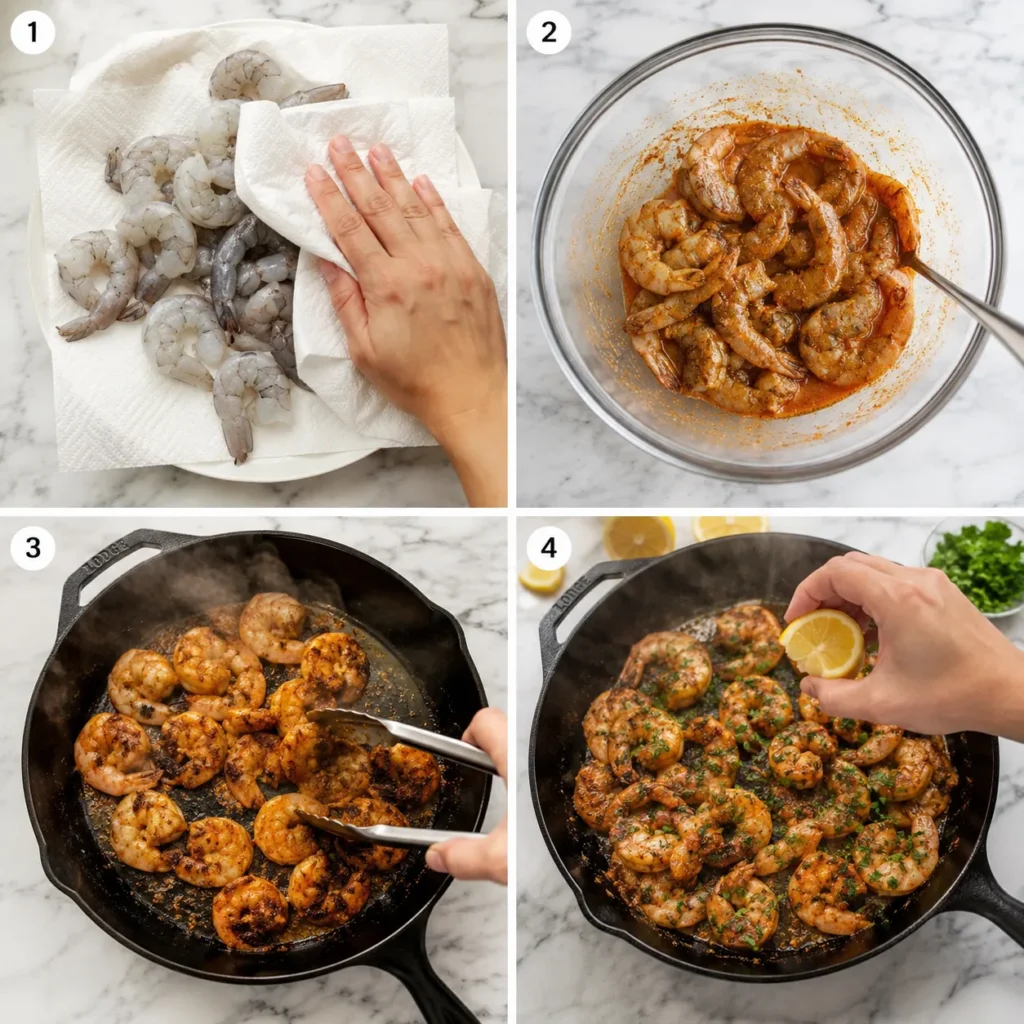
Step 1: Prepare and Season the Shrimp
Pat the shrimp dry with paper towels, then place them in a large bowl. Add Cajun seasoning, smoked paprika, garlic powder, onion powder, cayenne pepper, salt, black pepper, and olive oil. Toss everything together until the shrimp are evenly coated. This takes about 5 minutes and helps the seasoning stick properly while building deep flavor during cooking.
Chef’s Tip: Dry shrimp cook better and develop more flavor because excess moisture creates steam in the pan instead of allowing the seasoning to caramelize. Taking an extra minute to dry them properly gives you better texture and a richer Cajun crust.
Step 2: Heat the Skillet Properly
Place a large skillet over medium-high heat and let it warm for about 2 minutes. Add the butter and allow it to melt completely before adding the shrimp. A properly heated pan cooks shrimp quickly while keeping them juicy inside and slightly crisp on the outside.
Chef’s Tip: Avoid turning the heat too high because butter burns quickly and can make the Cajun spices taste bitter. Medium-high heat gives you the balance needed for a flavorful sear without scorching the seasoning blend.
Step 3: Cook the Shrimp in a Single Layer
Arrange the shrimp in a single layer in the skillet. Cook for 2 minutes on the first side without moving them too much. Flip and cook for another 1 to 2 minutes until the shrimp turn pink and slightly curled. Cooking them evenly prevents rubbery texture and keeps the seafood tender.
Chef’s Tip: Overcrowding the skillet lowers the pan temperature and causes the shrimp to steam instead of sear. If your skillet feels crowded, cook the shrimp in two smaller batches for the best Cajun shrimp texture.
Step 4: Add Garlic and Lemon Juice
Reduce the heat slightly and stir in the minced garlic. Cook for about 30 seconds until fragrant, then pour in the lemon juice. The garlic adds savory depth while the lemon brightens the smoky Cajun flavor and balances the richness of the butter.
Chef’s Tip: Garlic burns fast in a hot skillet, so adding it near the end keeps the flavor fresh and aromatic instead of harsh and bitter. Stir constantly during this step for even cooking.
Step 5: Finish and Garnish
Remove the skillet from the heat and sprinkle chopped parsley over the shrimp. Let the shrimp rest for 1 minute before serving so the buttery Cajun sauce settles around them. Serve immediately with lemon wedges and your favorite side dish.
Chef’s Tip: Resting the shrimp briefly after cooking helps retain moisture and allows the spices to settle into the butter sauce. This small step makes the finished dish taste more balanced and flavorful.
Spicy Cajun Shrimp Nutrition
| Nutrient | Amount Per Serving |
| Calories | 290 |
| Protein | 26g |
| Carbohydrates | 4g |
| Total Fat | 18g |
| Saturated Fat | 7g |
| Fiber | 1g |
| Sugar | 1g |
| Sodium | 890mg |
| Cholesterol | 210mg |
Why You’ll Love This Recipe
- You get restaurant-style Cajun shrimp in under 30 minutes, making this recipe ideal when you need something flavorful without spending hours in the kitchen. The quick cooking time also makes it beginner-friendly and easy to repeat confidently.
- The smoky Cajun seasoning creates bold seafood flavor without requiring complicated ingredients or techniques. Most of the spices are pantry staples, so you can make this recipe without special shopping trips.
- This spicy shrimp recipe works with many side dishes including rice, pasta, salads, roasted vegetables, or sandwiches. You can easily adapt it for lunch, dinner, or meal prep depending on what you already have at home.
- The buttery garlic sauce keeps the shrimp juicy and rich while fresh lemon juice balances the heat perfectly. You get layers of flavor instead of just overwhelming spice.
Common Mistakes to Avoid
- Overcooking shrimp is one of the biggest mistakes because shrimp cook extremely fast. Once they curl tightly and turn rubbery, they lose their tender texture, so remove them from the heat as soon as they turn pink and opaque.
- Skipping the drying step can leave the shrimp watery and pale instead of flavorful and slightly crisp. Excess moisture prevents proper browning and weakens the Cajun seasoning flavor in the skillet.
- Adding garlic too early often causes it to burn before the shrimp finish cooking. Burnt garlic tastes bitter and can overpower the buttery Cajun sauce, so it should always go into the skillet near the end.
- Using cold shrimp directly from the refrigerator can lower the pan temperature too quickly. Letting the shrimp sit at room temperature for about 10 minutes helps them cook more evenly.
Serving Suggestions
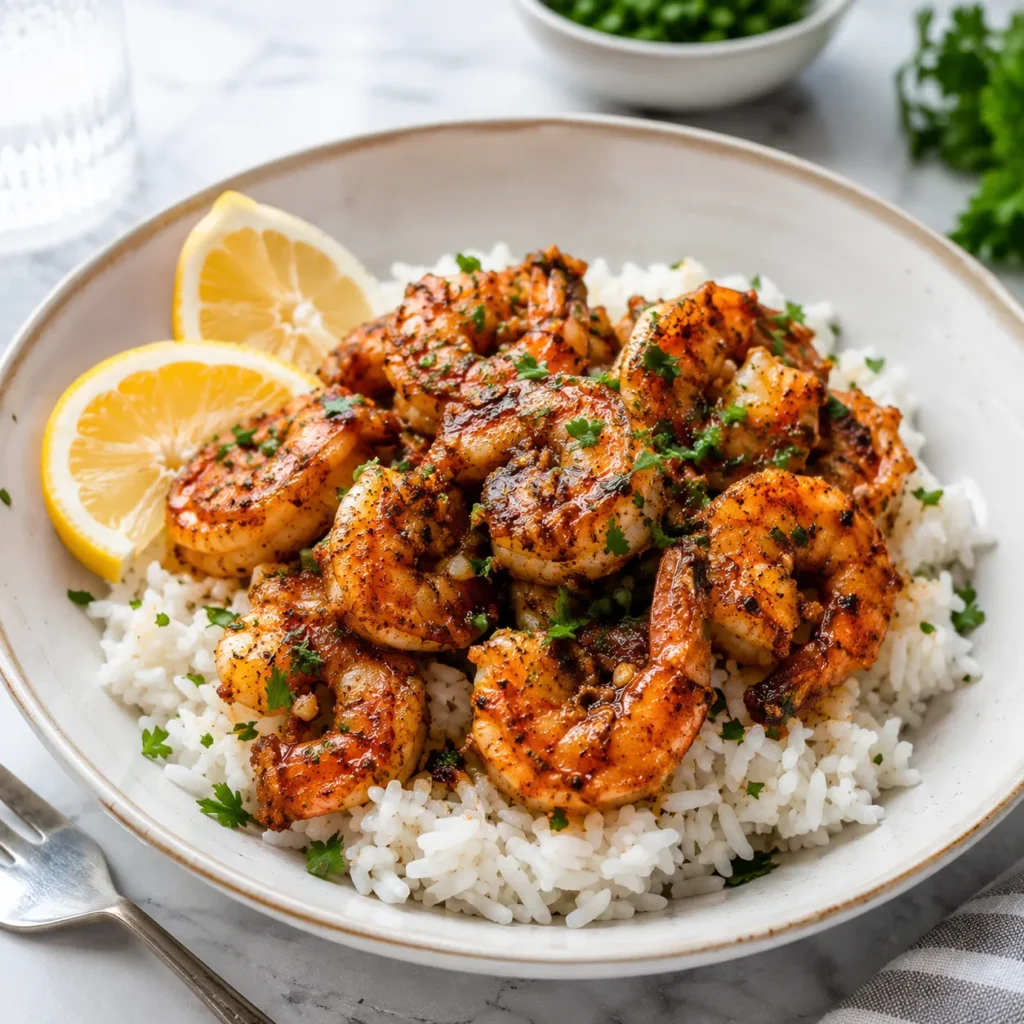
- Serve the spicy Cajun shrimp over fluffy white rice so the buttery sauce soaks into every bite. This combination makes the dish filling while balancing the heat from the Cajun spices.
- Toss the shrimp with creamy pasta like fettuccine or linguine for a richer seafood dinner. The spicy shrimp pairs especially well with light cream sauces and garlic butter noodles.
- Fill warm tortillas with Cajun shrimp, shredded lettuce, and avocado slices for flavorful shrimp tacos. A squeeze of fresh lime adds brightness and cuts through the spice beautifully.
- Add the shrimp to a fresh salad with crisp greens, cherry tomatoes, cucumber, and corn for a lighter meal option. The smoky Cajun flavor turns a simple salad into a satisfying dinner.
Healthier Alternatives and Ingredient Swaps
- Replace butter with additional olive oil if you want a lighter version with less saturated fat. You still get excellent flavor while making the dish slightly heart-healthier.
- Use low-sodium Cajun seasoning to better control the salt content. Many store-bought blends contain high sodium levels, so checking labels makes a noticeable difference.
- Swap white rice for cauliflower rice or quinoa if you want a lower-carb or higher-fiber serving option. Both absorb the Cajun butter sauce well without overpowering the shrimp.
- Reduce the cayenne pepper if you prefer mild heat while keeping the smoky Cajun flavor intact. Smoked paprika and garlic still provide bold flavor even with less spice.
Storage and Meal Prep Tips
- Store leftover Cajun shrimp in an airtight container in the refrigerator for up to 3 days. Keeping the shrimp sealed properly helps maintain moisture and prevents them from absorbing unwanted refrigerator odors.
- Reheat the shrimp gently in a skillet over low heat for 2 to 3 minutes instead of microwaving them too long. Slow reheating helps prevent the shrimp from turning tough and rubbery.
- Prepare the seasoning mix ahead of time and keep it in a small container for faster weeknight cooking. Having the spices measured and ready can cut prep time significantly.
- Cook extra shrimp and use them for wraps, salads, grain bowls, or pasta lunches throughout the week. The flavor holds up well and makes meal prep more exciting.
Conclusion
This spicy Cajun shrimp recipe works because it combines bold seasoning, quick cooking, and simple ingredients into one dependable seafood dish. You get juicy shrimp, smoky heat, buttery richness, and fresh citrus in every bite without complicated techniques. Once you master the basic method, you can easily adjust the spice level, serving style, or sides to make the recipe fit your own taste and routine.